Home » Cuisine Guides »
Indonesian Cuisine
Indonesia: The Archipelago of Spice and Soul. This culinary landscape is a complex tapestry of over $17,000$ islands, representing the ultimate intersection of maritime trade, volcanic fertility, and ancestral tradition. It is a cuisine defined by **Bumbu**—the aromatic spice paste that serves as the genetic code for every dish. This is not merely food; it is a sovereign display of biodiversity and cultural resilience.
Popular Recipes
-
⭐
5
|
80
min
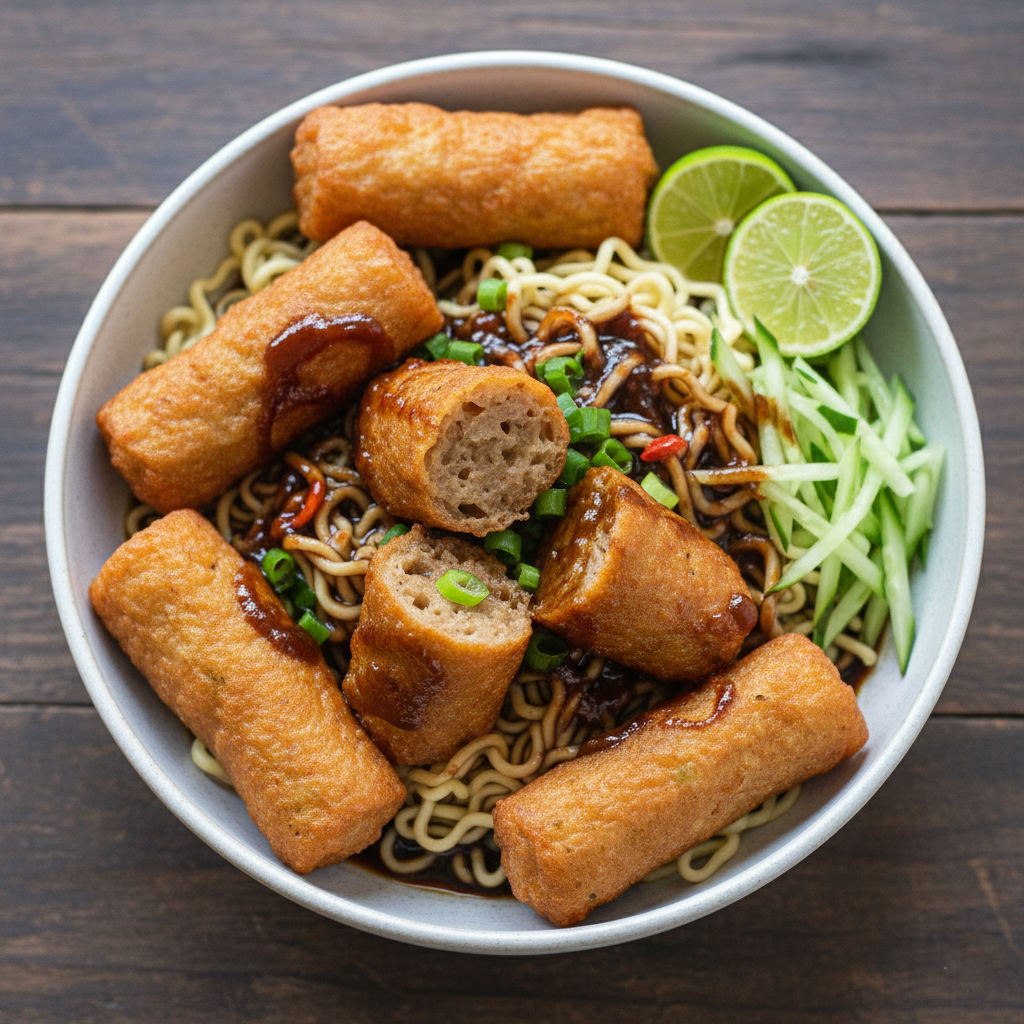
Pempek Palembang (Savory Fish Cakes)
-
⭐
5
|
105
min
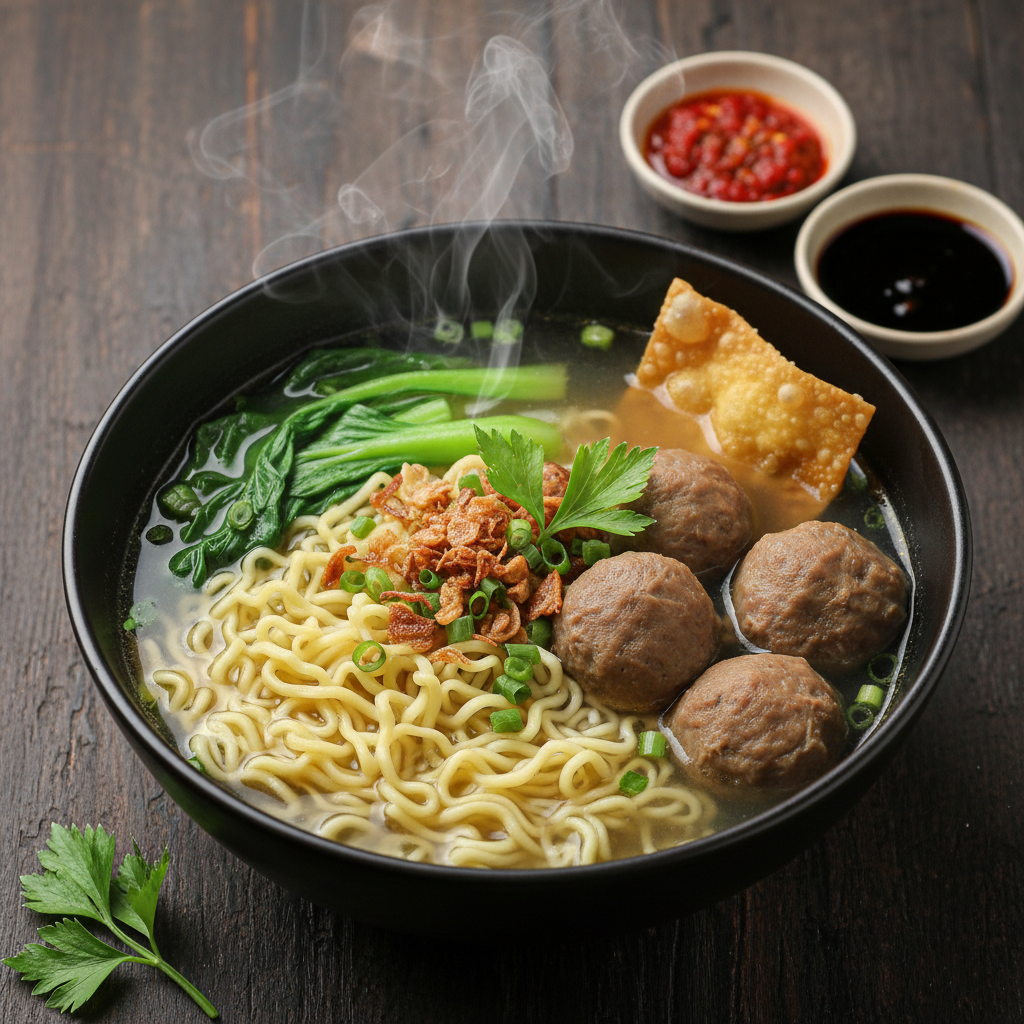
Indonesian Beef Meatball Soup
-
⭐
5
|
60
min
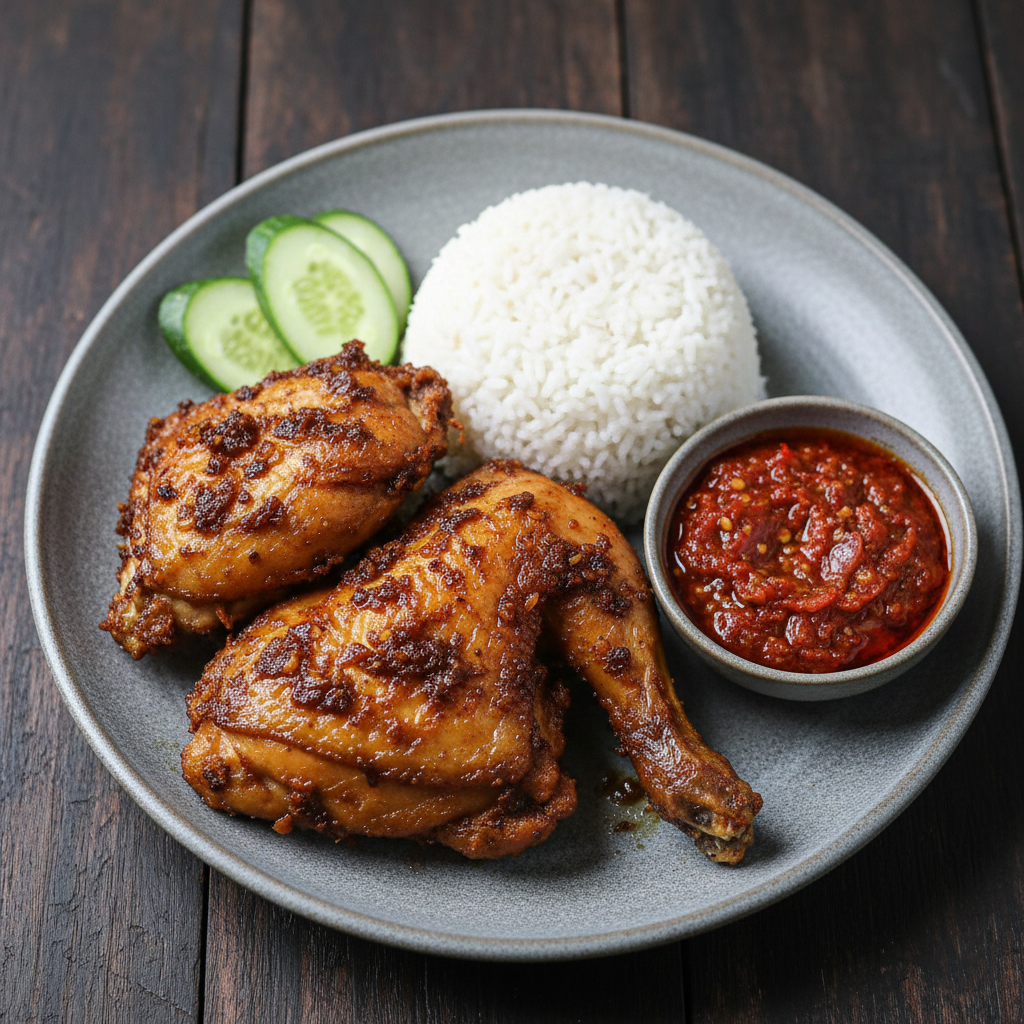
Kalasan-Style Fried Chicken
-
⭐
5
|
50
min
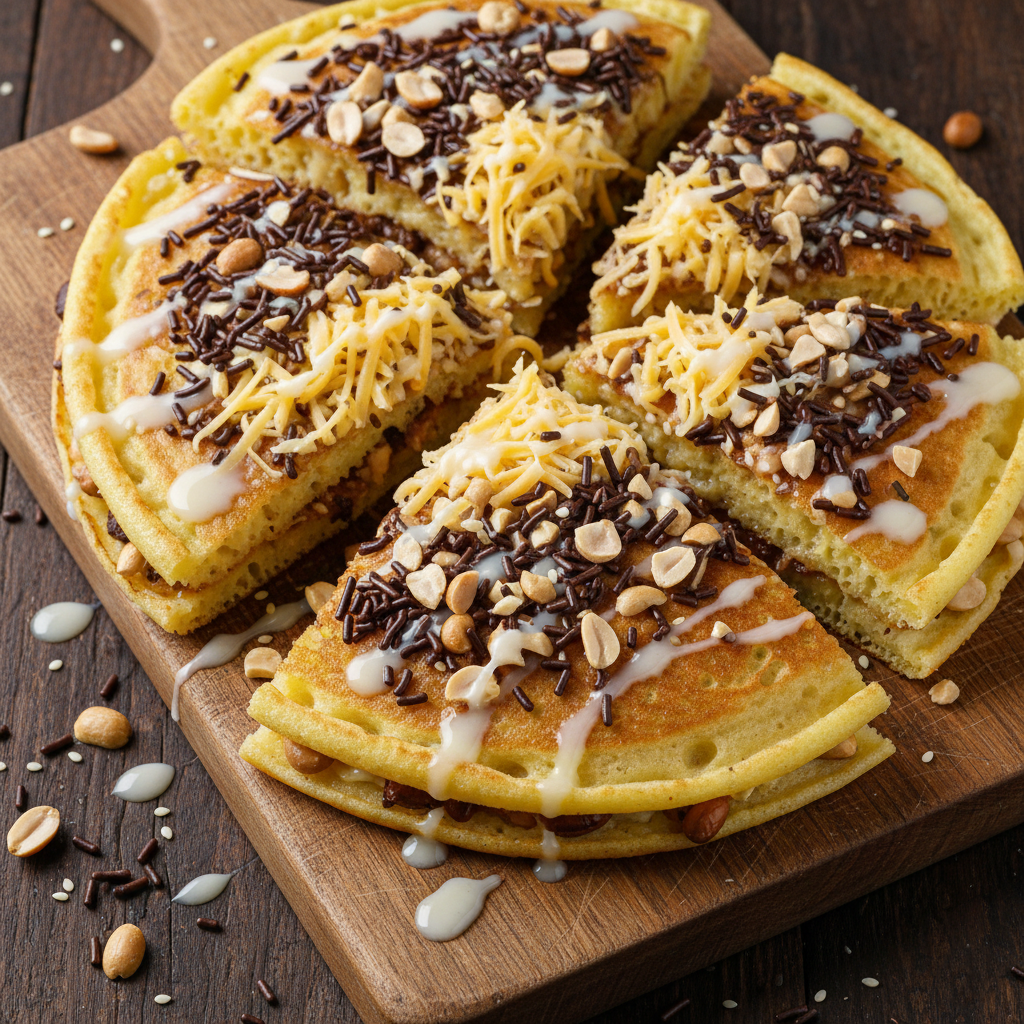
Sweet Indonesian Stuffed Pancake
The geography of the **Ring of Fire** dictated the fertile volcanic soil, while the global spice trade of the $16th$ century established Indonesia as the epicenter of nutmeg, mace, and clove. This historical jurisdiction blends indigenous Austronesian roots with significant Indian, Chinese, Middle Eastern, and Dutch influences, creating a ‘Flavor Law’ that is both ancient and adaptive.
The jurisdiction is split into provincial powerhouses: **West Sumatra (Minangkabau)** focuses on rich, coconut-heavy curries; **Central Java** leans into the sweetness of palm sugar and ‘Kecap Manis’; **West Java (Sundanese)** prioritizes raw vegetables and fermented shrimp pastes; and **Bali** utilizes ‘Base Gede’ for complex roasted meats.
The **Flavor Constitution** rests on three non-negotiable pillars: Heat (Chili), Umami (Terasi), and Sweetness (Palm Sugar). Authenticity requires the use of fresh aromatics—galangal, turmeric, lemongrass, and kaffir lime leaves—pounded rather than blended to preserve the integrity of the essential oils.
**The 3-Star Michelin Chef:** ‘The molecular stability of a Bumbu requires slow-frying in oil until the fat separates—a process called **Tanak**—to ensure the raw aromatics achieve peak caramelization and $100%$ flavor extraction.’ **The Home Cook Mom:** ‘Do not rush the onions. If the kitchen does not smell like heaven before the meat goes in, the soul of the dish is lost. Use your heart, not just the spoon.’
The Indonesian bite is an audit of **Garing** (Resistance) against **Empuk** (Yield). The triadic relationship utilizes fried shallots or crackers as a crunch layer, slow-braised proteins for tenderness, and thick coconut reductions or peanut sauces for the silk emulsion.
The jaw engages first with the $10$ out of $10$ resistance of a **Kerupuk** (cracker) before transitioning to the buttery yield of a long-simmered Rendang. The palate must experience a cooling sensation from steamed rice to offset the $60°C$ heat of the sambal.
Key regulatory terms include: **Garing** (the definitive snap of fried skin), **Medok** (a thick, rich, and heavily seasoned consistency), and **Gurih** (the ultimate savory umami profile that coats the entire tongue).
Precision in Indonesian cooking involves manual ‘Cobek’ work to ensure fiber-crushing rather than blade-shearing. Thermal management is critical: **Beef Rendang** requires a constant $95°C$ simmer for over $4$ hours to reach the ‘Kalio’ stage before achieving its final dry, dark-brown state.
Indonesian flavor logic is anchored by ‘Bumbu’—the layered construction of spice pastes. Unlike Western reductions that concentrate meat juices, the Indonesian chef seeks ‘Tanak,’ the critical stage where oil separates from the cooked paste, signaling that raw aromatic roots have been transformed into a complex, integrated flavor engine. The sensory objective is a harmonious balance between ‘Pedas’ (spicy heat), ‘Gurih’ (savory umami), and ‘Wangi’ (aromatic lift), often using candlenuts to provide a creamy mouthfeel that serves as a non-dairy alternative to fats found in French or Indian cuisines.
The **Cobek and Ulekan** (stone mortar and pestle) is the primary engine of flavor. The **Wajan** (heavy-duty wok) provides high-heat searing capabilities, while the **Kukusan** (bamboo steamer) ensures the delicate texture of rice-based desserts.
Strategic recipe categorization: **Foundation:** Sambal Terasi, Nasi Putih, Bumbu Dasar. **Masterclass:** Beef Rendang, Sate Lilit Bali, Babi Guling. **Home Soul:** Sayur Asem, Gado-Gado, Soto Ayam.
Integration of these assets ensures a balanced table where ‘Foundation’ pastes support ‘Masterclass’ proteins, all harmonized by ‘Home Soul’ vegetable broths.
The **Protocol** of the meal centers on the ‘Prasmanan’ (communal style). In traditional settings, the right hand is the only legal instrument for consumption. Guests must wait for the eldest or the host to take the first spoonful of rice before engaging.
Adhere to the ‘Tangan Kanan’ (Right Hand) rule: always eat and pass food using the right hand, as the left is traditionally reserved for hygiene. In formal or communal settings, wait for the eldest person or the host to take the first bite before beginning your meal, a gesture known as ‘Hormat’ (honor/respect).
1. **Nasi (The Anchor):** The center of the plate. 2. **Lauk (The Centerpiece):** The main proteins. 3. **Sayur (The Balance):** Vegetable sides. 4. **Sambal and Kerupuk (The Mandatory Accoutrements):** No meal is legally complete without them.
More Recipes from this Cuisine
-
⭐
4.5
|
45
min
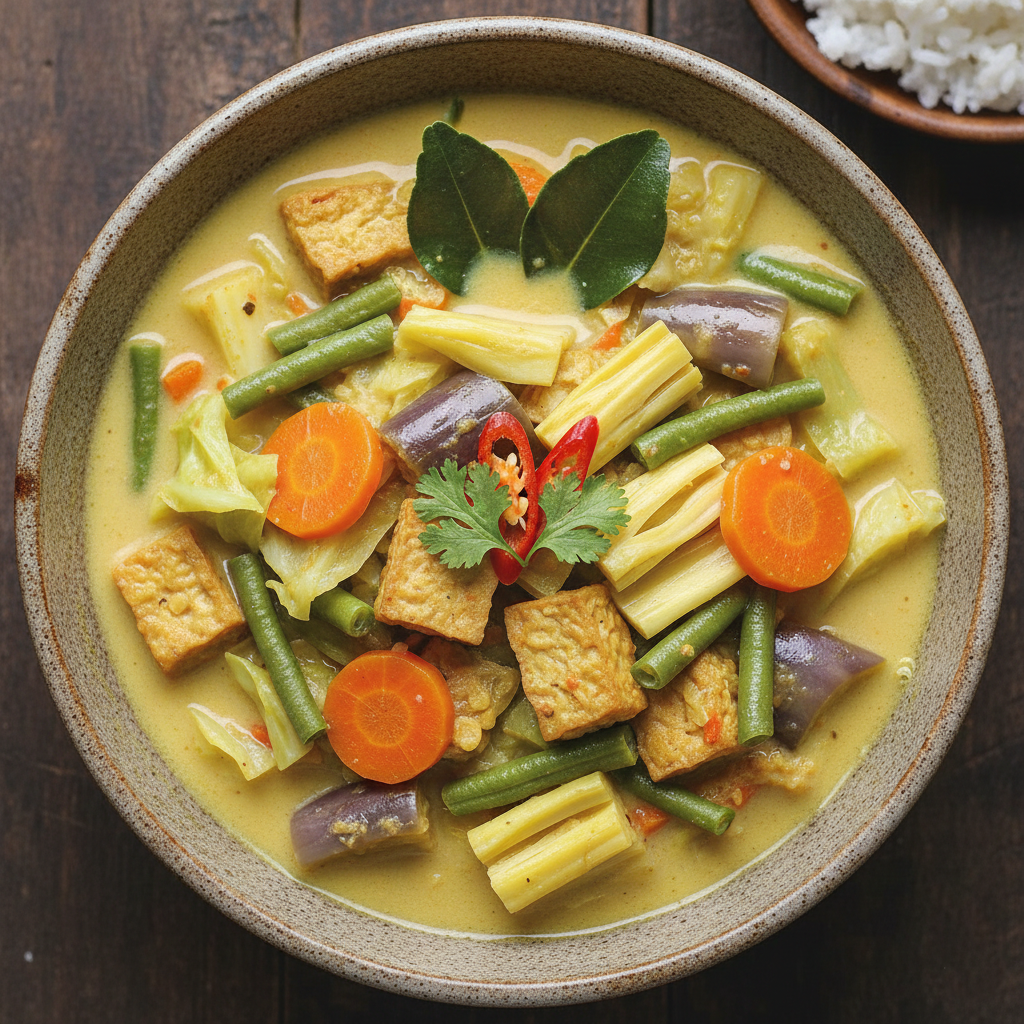
Vegetable Coconut Curry
-
⭐
4.6
|
35
min
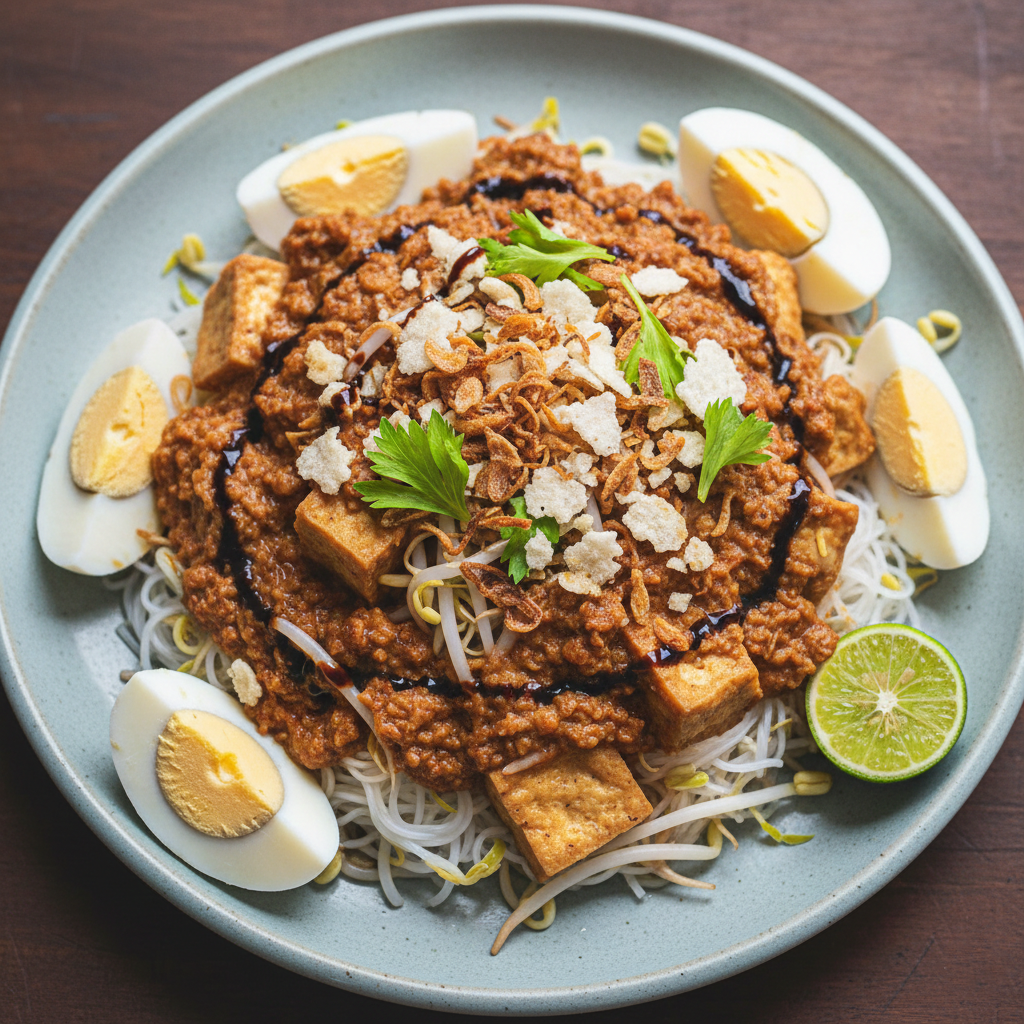
Jakarta-Style Vermicelli Salad
-
⭐
4.7
|
65
min
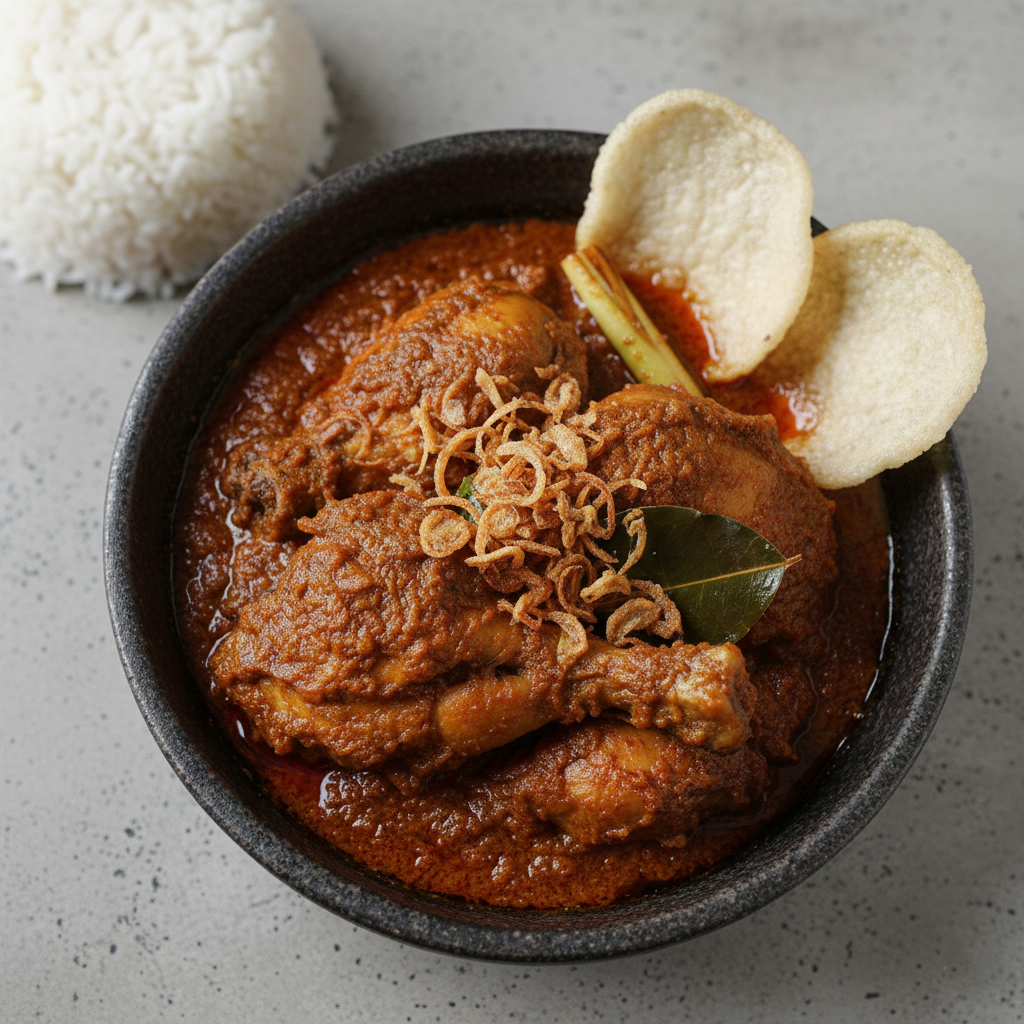
Indonesian Chicken in Coconut Gravy
-
⭐
4.5
|
25
min
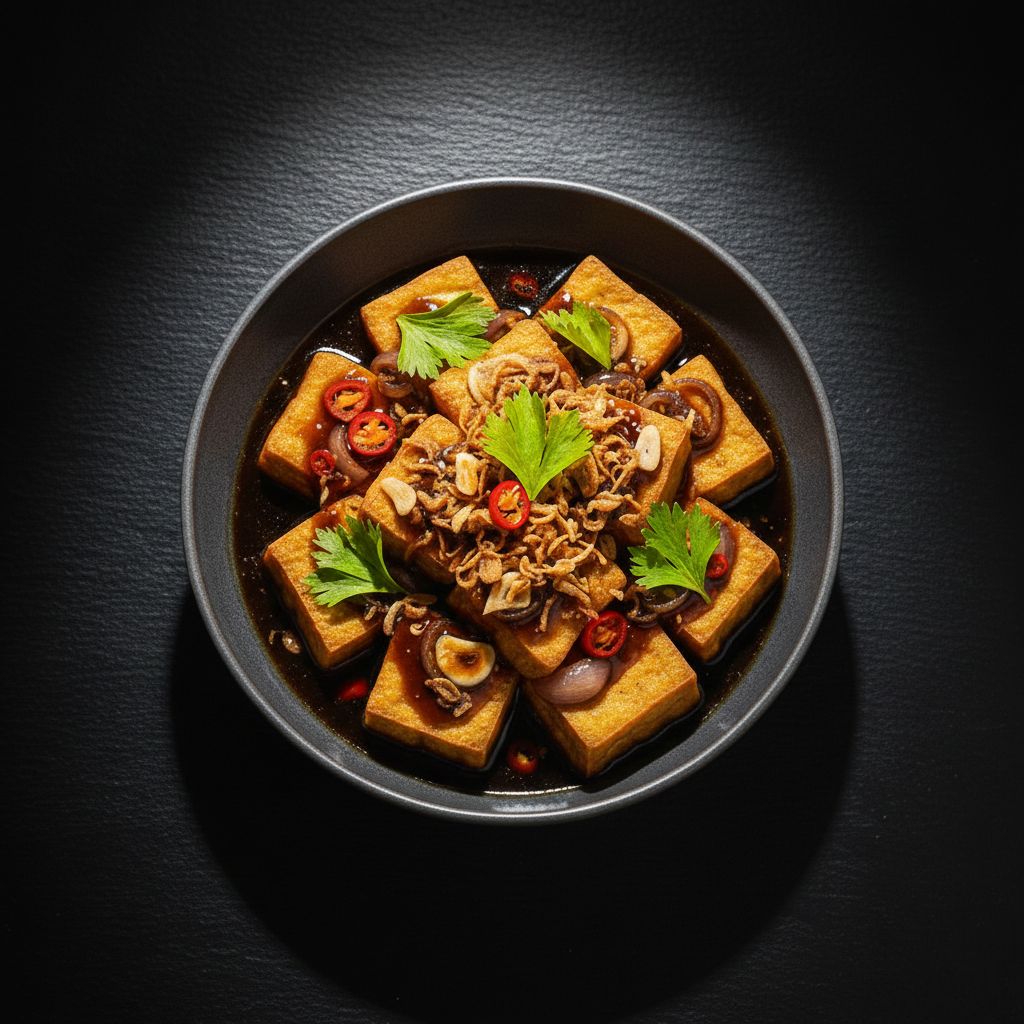
Cirebon-Style Sweet-Sour Tofu
-
⭐
4.6
|
20
min
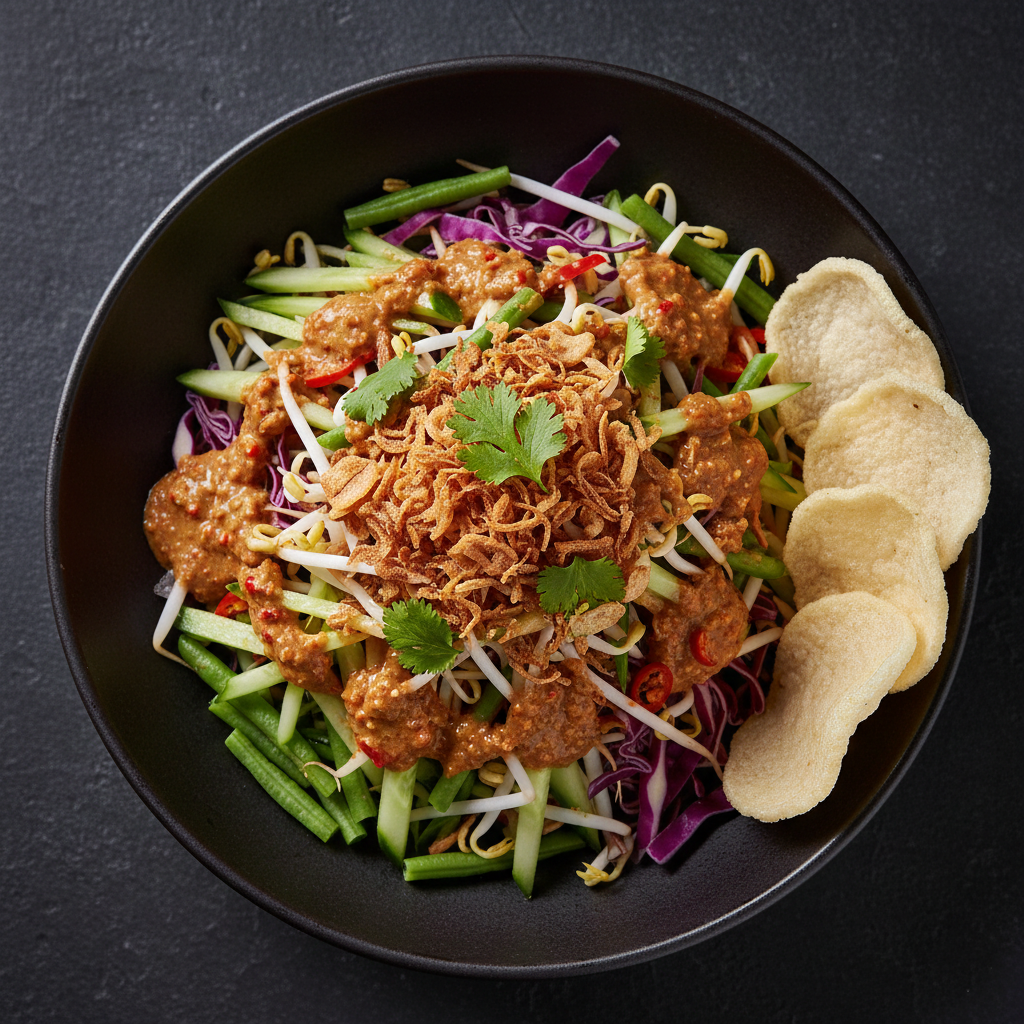
Sundanese Raw Vegetable Salad
-
⭐
4.5
|
40
min
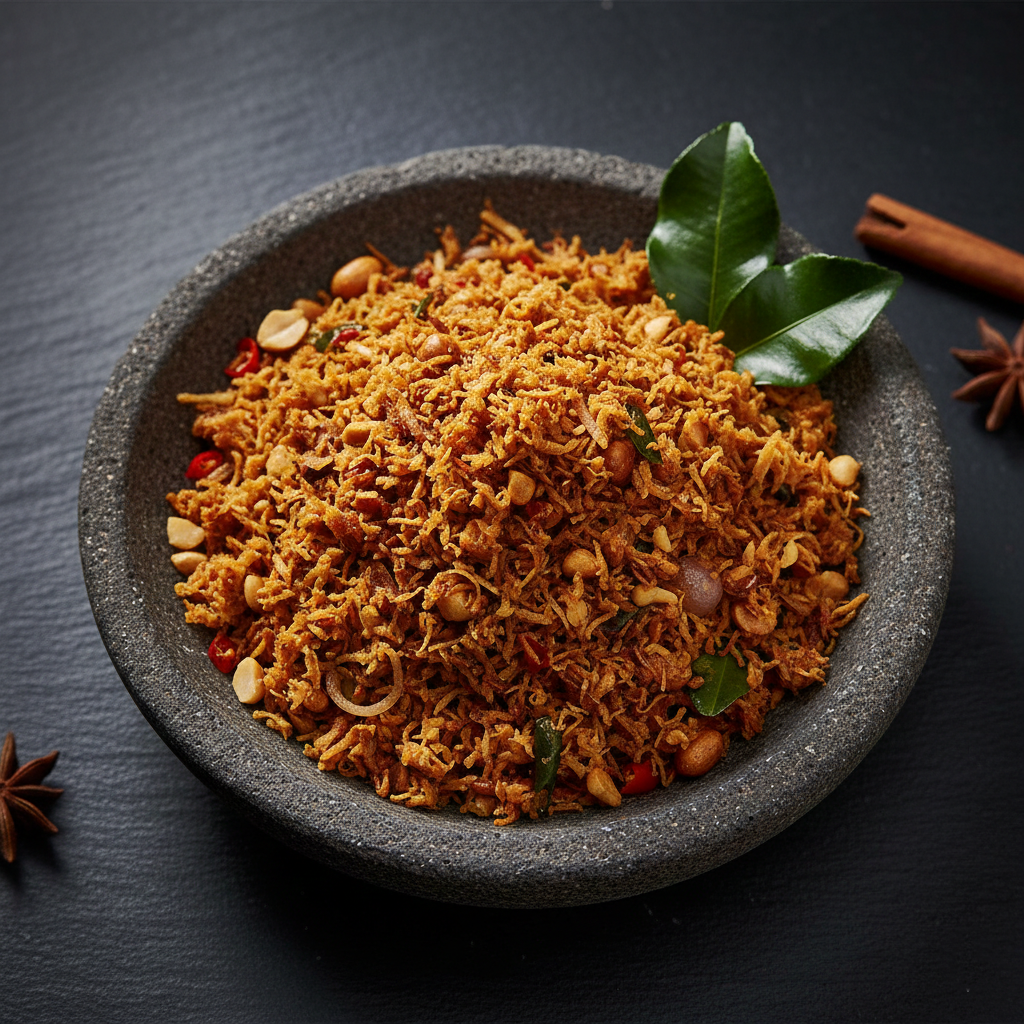
Coconut-Peanut Sprinkle