Home » Cuisine Guides »
Italian Cuisine
Italian cuisine represents a **Sovereign Jurisdiction** of culinary philosophy, where the legal authority of the ingredient supersedes the ego of the chef. It is an executive framework built upon **Cucina Povera** (the kitchen of the poor), which has evolved into the global benchmark for **minimalist luxury**. This identity is defined by a refusal to mask primary flavors, demanding $100%$ transparency in sourcing. **Chef Insight:** Technical precision requires managing the starch-to-water ratio to achieve the precise $70%$ hydration needed for fresh dough. **Mom Insight:** The secret is not the recipe but the seasonality; if the tomato didn’t see the sun yesterday, it doesn’t belong in the pot today.
Essential condiments profile. Condiments aren’t meant to mask the food—they are the “high notes” that cut through fat and salt to create a balanced bite.
A curated flat-lay of essential Italian herbs including Basil, Oregano, and Rosemary for authentic Mediterranean cooking.
Authentic Italian Flavor Profile
Popular Recipes
-
⭐
4.9
|
112
min
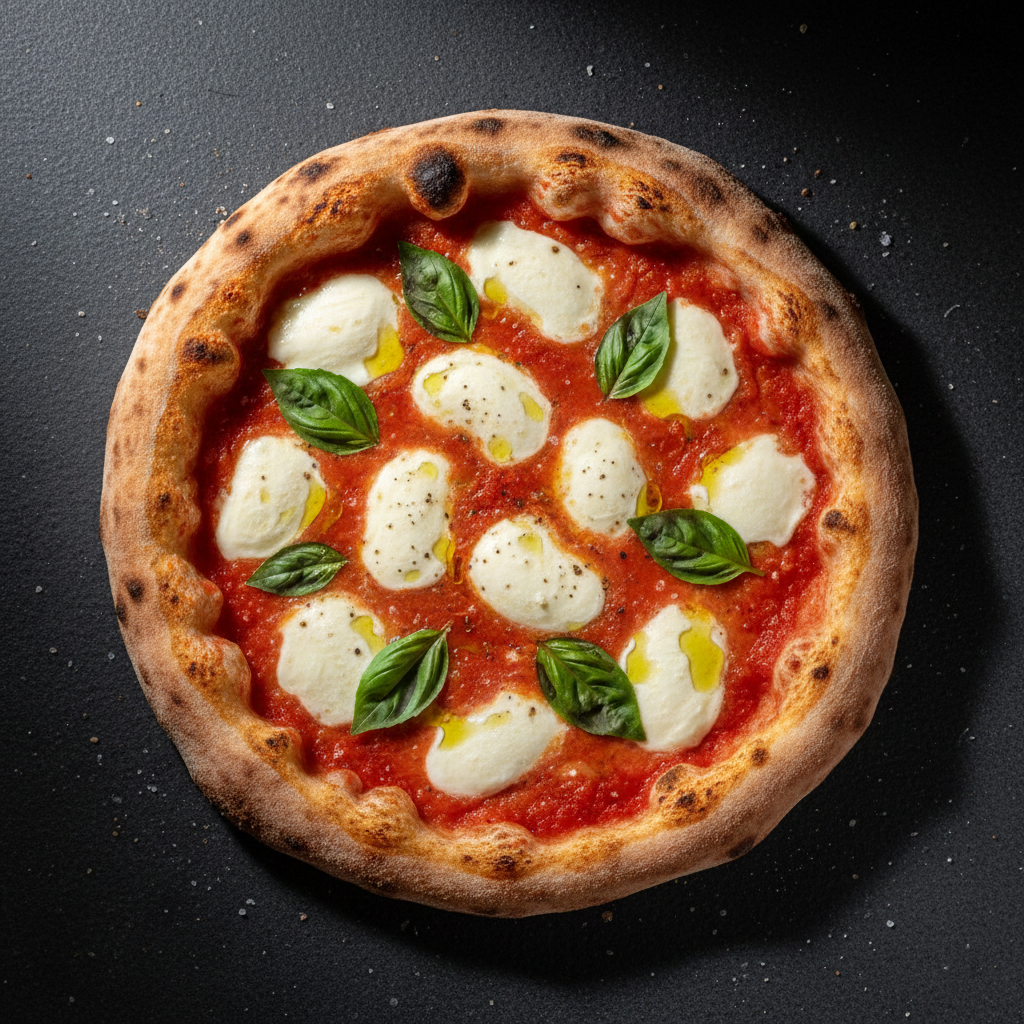
Margherita Pizza
-
⭐
4.9
|
112
min
Traditional Neapolitan Pizza Margherita
-
⭐
4.9
|
50+360
min
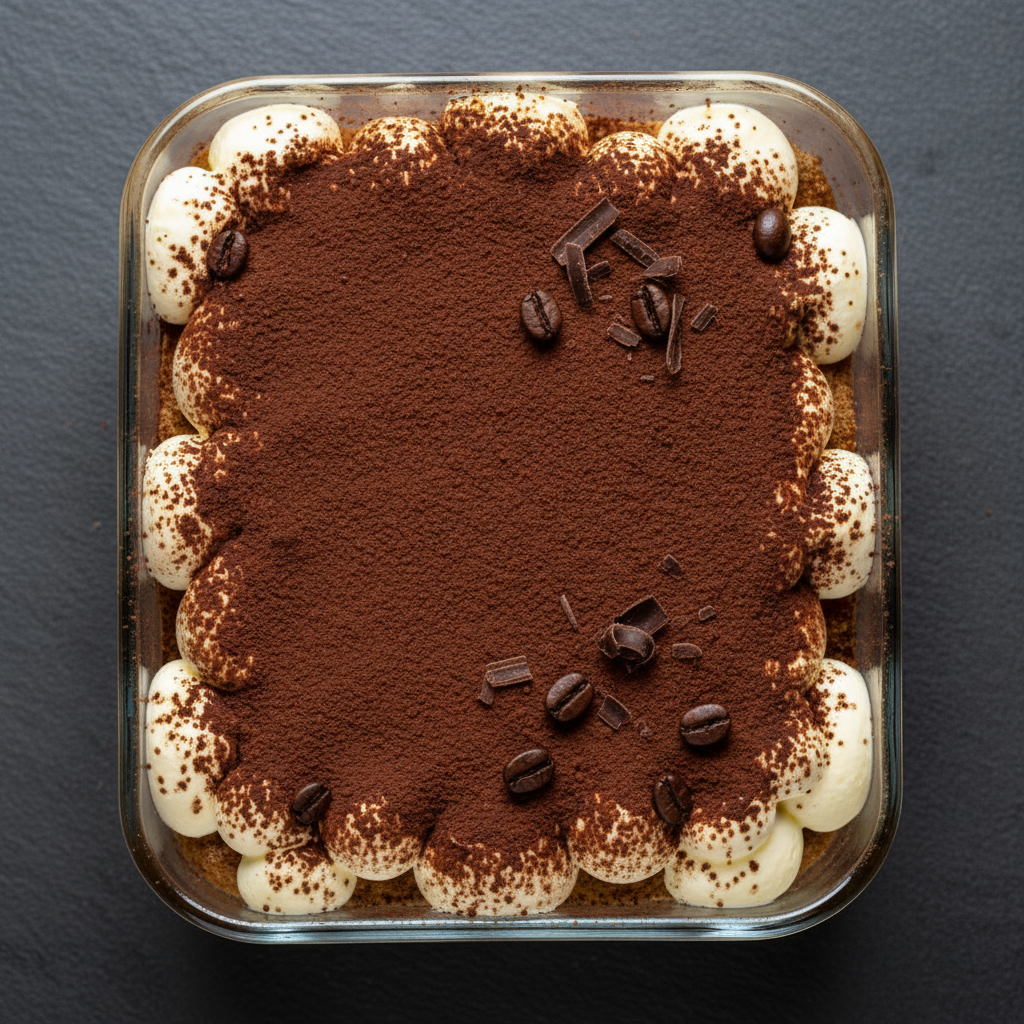
Classic Tiramisu
-
⭐
4.9
|
50+360
min
Classic Tiramisu
The geography of Italy acts as the founding **Flavor Law**. From the volcanic soils of Campania to the alpine pastures of Piedmont, the land dictates the fat profile—butter in the north and extra virgin olive oil in the south. Historical trade routes introduced the ‘Spices of the Orient,’ yet the Italian palate filtered these through a lens of **Purist Doctrine**, retaining only what enhanced the native produce.
The peninsula is divided into twenty distinct “Culinary Provinces”. The North focuses on “Starch Density” (Risotto and Polenta), the Center acts as the “Meat Custodian” (Bistecca and Wild Boar), and the South serves as the “Acid and Salt Hub” (Citrus, Anchovies, and San Marzano Tomatoes).
The “Flavor Constitution” is governed by the DOP (Denominazione di Origine Protetta) system, a legal protection for indigenous products. Essential assets include **Parmigiano-Reggiano** (aged minimum 24 months), **Aceto Balsamico Tradizionale**, and high-phenolic olive oils. These are the non-negotiable building blocks of the Italian pantry.
Balance is achieved through the “Triad of Acidity, Fat, and Umami”. The ‘Constitutional Ingredients’—Garlic, Basil, Oregano, and Pecorino—must be deployed with strategic restraint to avoid ‘Palate Fatigue.’
The “Perfect Bite” in Italy is an audit of three specific states: “Resistance (Crunch), Yield (Tenderness), and Emulsion (Silk)”. A classic Spaghetti al Pomodoro must demonstrate the ‘Resistance’ of the pasta against the ‘Silk’ of the emulsified sauce. **Chef Insight:** The physics of the bite depends on the 98°C emulsion of pasta water and fat. **Mom Insight:** If the sauce doesn’t coat the back of the wooden spoon, it won’t hug the pasta correctly.
Tactile interaction begins at the ‘incisor snap’ of the pasta. The jaw must encounter a firm core (the ‘soul’ of the grain), followed by a ‘Yielding’ exterior that releases the sauce’s aromatic oils directly into the retro-nasal passage.
The primary language of mouthfeel includes: “Al Dente” (firm to the tooth), “Mantecatura” (the creamy emulsion created by vigorous stirring), “Vellutata” (velvety smoothness), and “Croccante” (a dry, clean snap).
Italian Cuisine Herbs and Spices
Specialized techniques focus on **Thermal Management** and **Starch Manipulation**. The ‘Soffritto’ is the foundational SOP, requiring a $2:1:1$ ratio of onion, celery, and carrot, sweated at low heat to avoid browning while maximizing sugars.
Italian flavor logic centers on ‘Product Supremacy’ and a subtractive philosophy where aromatics elevate rather than mask primary ingredients. Unlike the complex layering of Eastern spices, Italian chefs focus on ‘La Materia Prima’ (the raw quality). Balance is achieved through the ‘Golden Ratio’ of high-quality lipids (primarily Extra Virgin Olive Oil), seasonal aromatics, and the strategic application of heat to transform simple sugars into deep umami foundations.
Regional hardware includes the **Chitarra** for Abruzzese pasta, the **Mortaio** (marble mortar) for Genovese pesto to prevent oxidation, and the **Paiolo** (copper pot) for uniform heat distribution in polenta preparation.
The Italian recipe database is categorized to ensure **Strategic Competency** for every skill level. Foundations: **Salsa di Pomodoro**, **Fresh Egg Pasta**. Masterclass: **Risotto alla Milanese**, **Osso Buco**. Home Soul: **Focaccia Barese**, **Tiramisu Tradizionale**.
Recipes are integrated via a **Hierarchical Logic**. Foundation recipes provide the ‘Substrate,’ Masterclass recipes provide the ‘Technical Peak,’ and Home Soul recipes provide the ‘Cultural Anchor.’
The “Protocol” of the Italian meal is a rigorous sequence designed to optimize digestion and social cohesion. Hosting requires a “Sprezzatura” (studied nonchalance) that masks the intense labor behind the scenes. Chef Insight: The temperature of the plate is as critical as the food; a cold plate kills a risotto in 30 seconds.
The most sacred rule for a guest is the ‘No Cheese on Fish’ (No formaggio sul pesce) protocol; adding Parmigiano to seafood is considered a sensory insult to the delicate aroma of the sea. Additionally, the ‘Scarpetta’ (little shoe) gesture—using a piece of bread to clean the remaining sauce from your plate—is the highest compliment a guest can pay to the chef’s aromatic mastery.
The mandatory sequence is: 1. Antipasto (appetizer) 2. Primo (starch-based) 3. Secondo (protein-based) with Contorno (vegetable side) 4. Formaggi e Frutta (cheese and fruit) 5. Dolce (dessert) 6. Caffè and Digestivo
More Recipes from this Cuisine
-
⭐
4.6
|
1530
min
Sicilian Rice Balls
-
⭐
4.7
|
390
min
Cooked Cream Dessert
-
⭐
4.8
|
40
min
Roman Veal with Prosciutto and Sage
-
⭐
4.7
|
1560
min
Sicilian Cannoli
-
⭐
4.8
|
15
min
Caprese Salad
-
⭐
4.7
|
55
min
Mushroom Risotto