Home » Cuisine Guides »
China Cuisine
Chinese cuisine represents the pinnacle of culinary civilization, a 5,000-year-old jurisdiction where gastronomy functions as both medicine and philosophy. The Sovereign Table of China is governed by the principles of **Balance (Yin and Yang)** and the **Five Flavors (Wu Wei)**. It is not merely a collection of recipes but a rigorous system of heat management, knife skills, and seasonal alignment that dictates the energy (Qi) of the diner. This authority spans from the imperial banquets of the Forbidden City to the bustling street markets, unified by a singular pursuit of **Harmonious Diversity**.
Popular Recipes
-
⭐
4.9
|
240
min
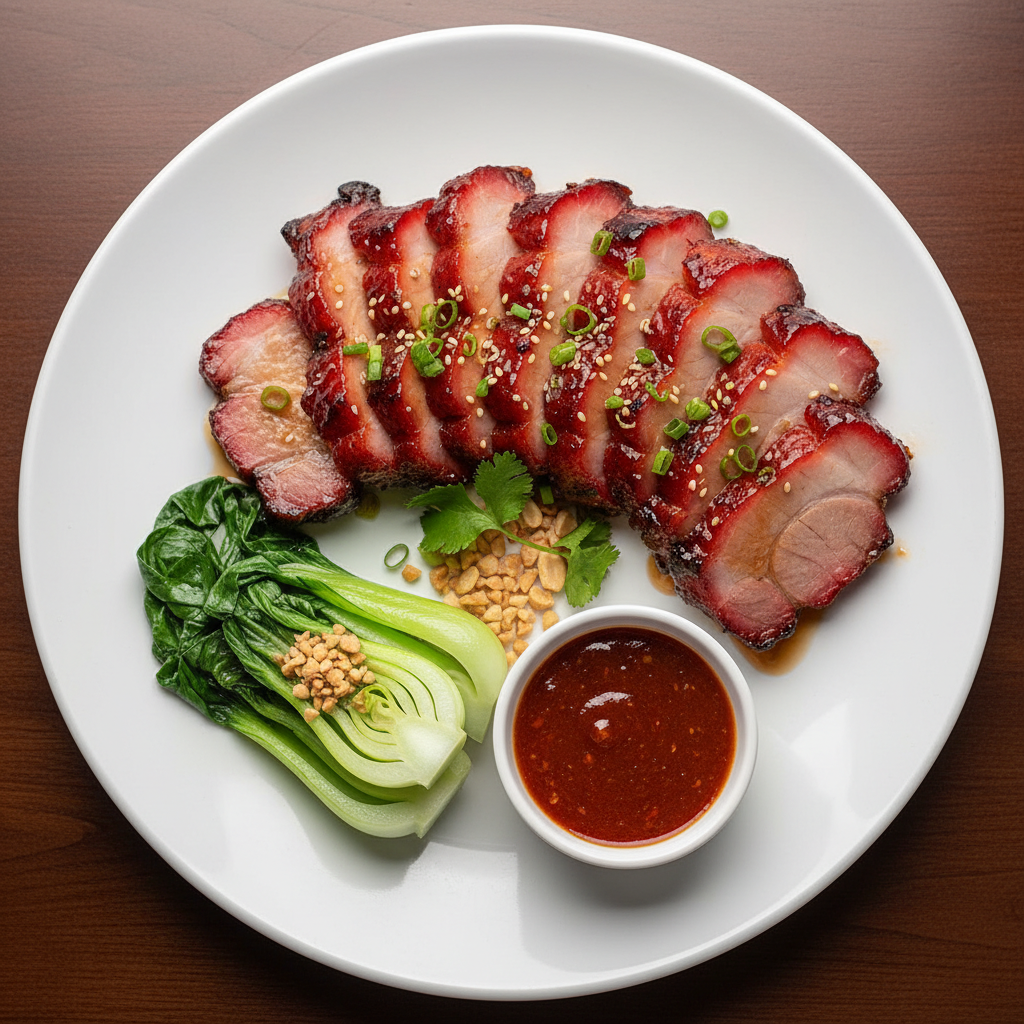
Char Siu (Cantonese BBQ Pork)
-
⭐
4.9
|
130
min
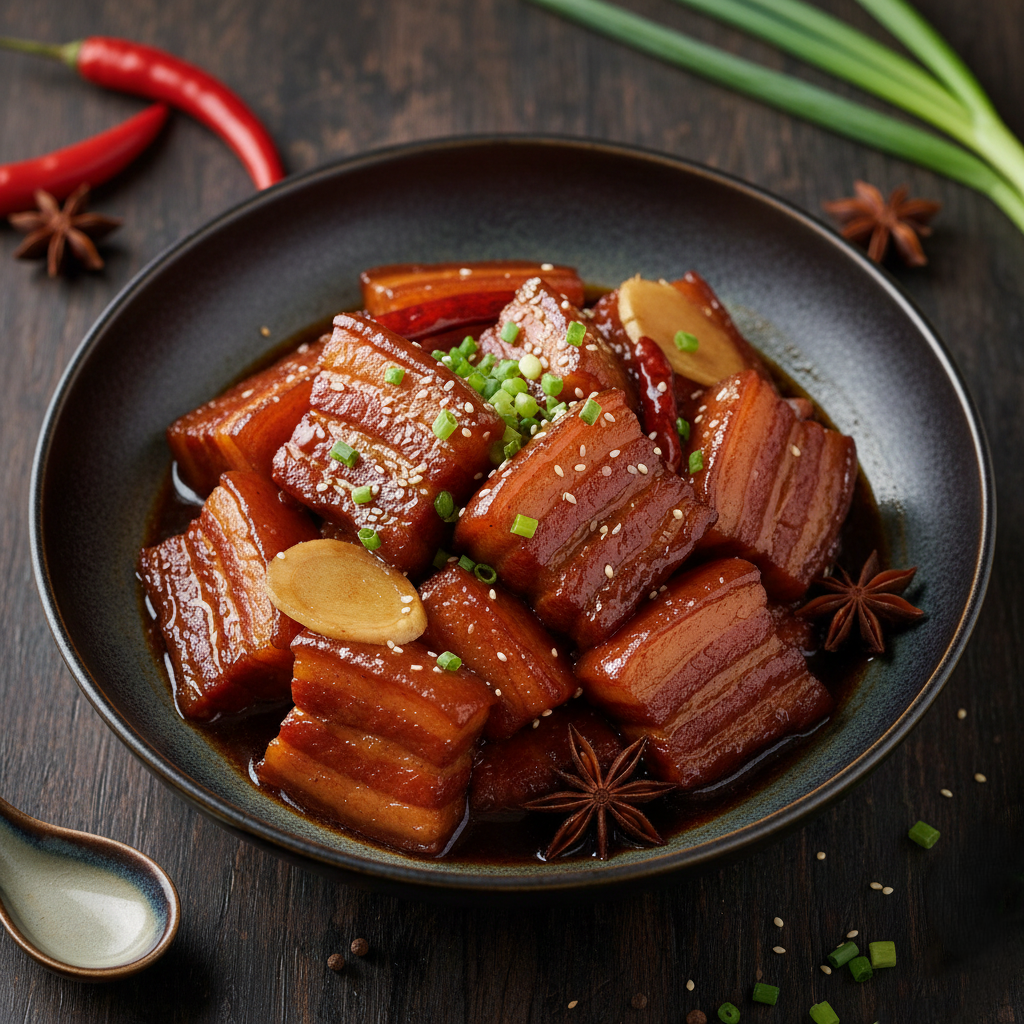
Red Braised Pork Belly
-
⭐
4.9
|
70
min
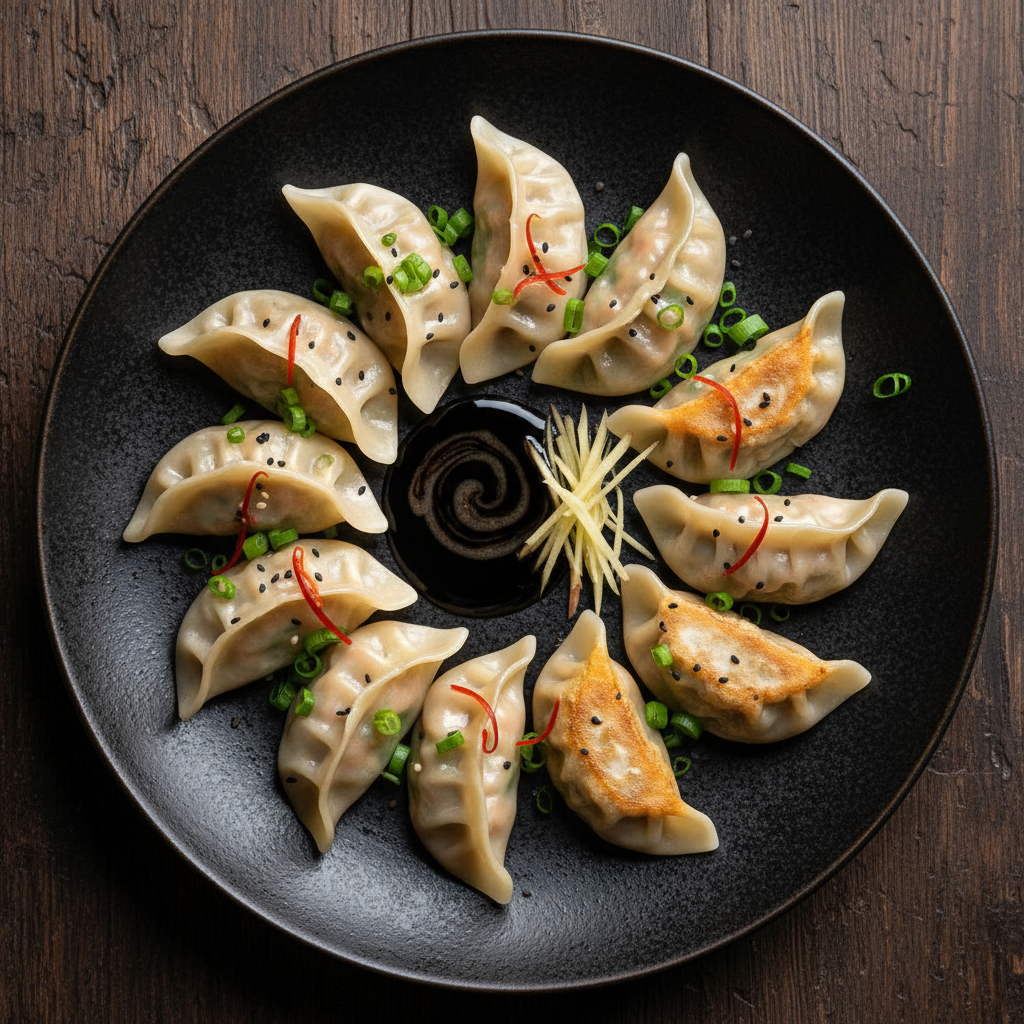
Chinese Pork & Cabbage Dumplings
-
⭐
4.9
|
27
min
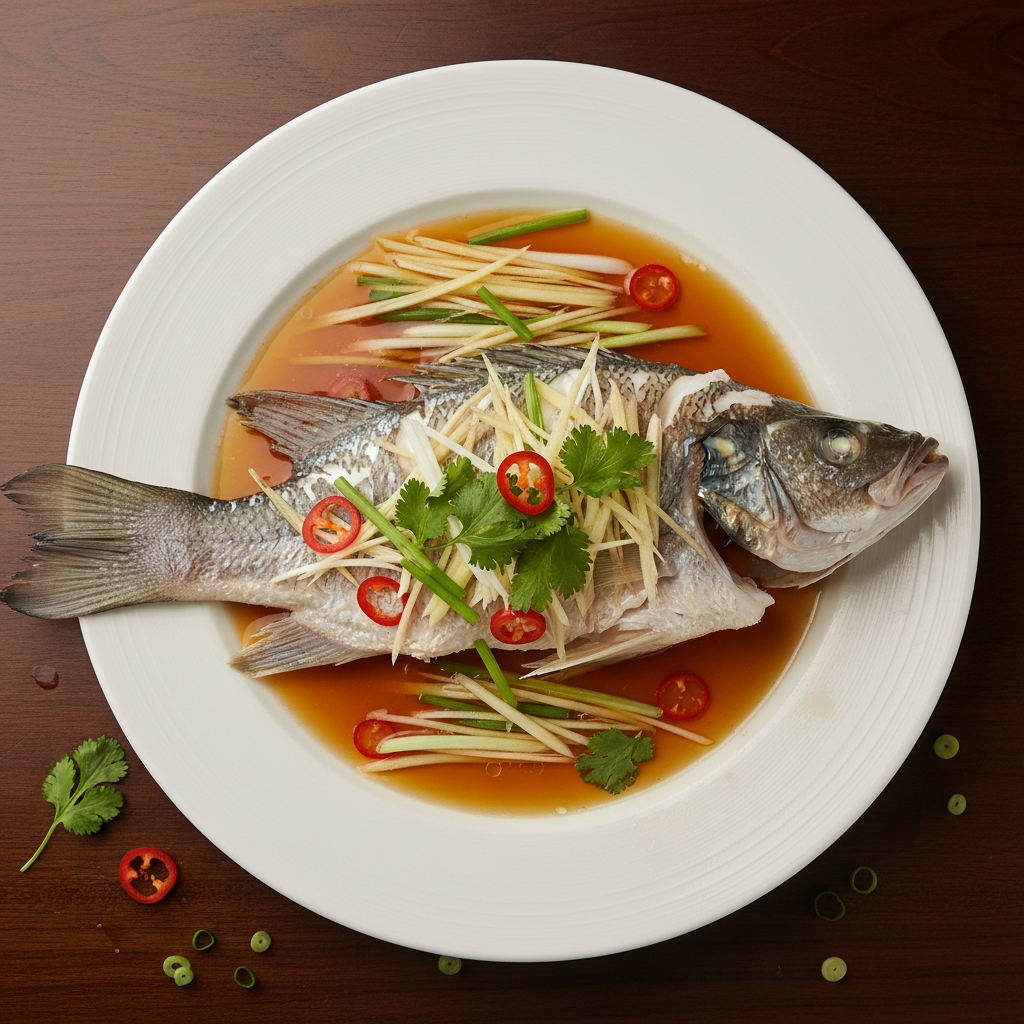
Steamed Whole Fish
The geography of China acts as the legislative framework for its flavors. The northern plains, governed by the Yellow River and colder climates, established a jurisdiction of **Wheat and Heartiness**, while the southern Yangtze River basin mandated a **Rice and Seafood** legal code. Historical dynastic shifts brought Persian spices via the Silk Road and New World chilies through maritime trade, yet the fundamental laws of Chinese flavor—fermentation, preservation, and the mastery of fire—remain the immutable constitution of the land.
The culinary map is divided into the **Eight Great Traditions**: **Lu** (Shandong’s salt and umami), **Chuan** (Sichuan’s numbing spice), **Yue** (Cantonese freshness), **Min** (Fujian’s woodland delicacies), **Su** (Jiangsu’s visual artistry), **Zhe** (Zhejiang’s refined lightness), **Xiang** (Hunan’s dry heat), and **Hui** (Anhui’s wild herbs). Each province operates under its own regional mandate, ensuring a vast spectrum of sensory experiences.
Authenticity in China is regulated by the **Flavor Constitution**, which demands the presence of the ‘Trinity of Aromatics’: Ginger, Scallion, and Garlic. The seasoning laws require a precise calibration of fermented soy, toasted sesame oil, and aged rice vinegar. **The 3-Star Michelin Chef Insights:** Technical precision requires the Maillard reaction to occur within a $250°C$ wok environment to achieve *Wok Hei*—the breath of the wok—where sugars caramelize in milliseconds. **The Home Cook Mom Insights:** True authenticity is found in ‘Xian’ (freshness); one must shop the market daily because the soul of the dish departs if the vegetables witness a second sunset.
The Five Flavors—Sour, Sweet, Bitter, Spicy, and Salty—must be balanced to correspond with the five elements. A deviation in this ratio is considered a failure of the chef’s duty to the diner’s health. The use of MSG, while modern, is seen by masters as a shortcut; true umami is legislated through the slow extraction of flavors from dried scallops, Jinhua ham, and shiitake mushrooms.
The ‘Perfect Bite’ in China is an audit of the triadic relationship between **Cui (Crispness)**, **Nen (Tenderness)**, and **Hua (Slipperiness)**. In a dish like Peking Duck, the skin must offer a $1mm$ layer of glass-like resistance before yielding to the rendered fat beneath. **The 3-Star Michelin Chef Insights:** Tactile engineering requires the ‘Velveting’ technique, where protein is passed through $140°C$ oil to lock in moisture, ensuring the jaw experiences zero resistance upon the first strike. **The Home Cook Mom Insights:** The perfect bite is the one shared; it must be the right size for chopsticks to carry from the communal plate to the rice bowl without spilling a drop of ‘luck’.
Chinese gastronomy utilizes the palate as a sensory laboratory. Bones are often left in proteins to force the diner to engage in ‘active eating,’ using the tongue and teeth to navigate the architecture of the meat, which increases saliva production and enhances flavor perception. The physics of the chopstick allows for precise pressure, ensuring the integrity of delicate dumplings is never compromised.
The global language of Chinese mouthfeel is defined by native descriptors: **Q-Texture** (springy elasticity, common in noodles), **Cui** (the snap of a fresh wood-ear mushroom), **Nen** (the velvet-softness of poached fish), and **Ma** (the numbing vibration caused by Sichuan peppercorns). These are not just textures; they are the benchmarks of quality control.
Professional Standard Operating Procedures (SOPs) focus on **Bao (Explosive Stir-fry)** and **Zheng (Precision Steaming)**. A chef must master the ’18 Knife Techniques,’ where a single cleaver is used for everything from $1mm$ juliennes to heavy bone-breaking. Temperature control is paramount; steaming a fish requires exactly $100°C$ of intense vapor for precisely $8$ to $10$ minutes, depending on the weight, to ensure the protein just barely leaves the bone.
Chinese flavor logic is predicated on the principle of He (Harmony) and the concept of Wok Hei (Breath of the Wok). Unlike Western techniques that rely on slow fat-based emulsions or French mother sauces, Chinese aromatics are designed for rapid thermal extraction. The goal is to achieve a sensory balance between the Five Flavors—sweet, sour, bitter, pungent, and salty—while layering Xian (Umami) and varying textures to create a multi-dimensional mouthfeel that changes from the first bite to the last.
The mandatory hardware for the sovereign kitchen includes the **Carbon Steel Wok** (the primary reactor), the **Bamboo Steamer** (the atmospheric chamber), and the **Rectangular Cleaver** (the multi-functional blade). For slow-stewing, the **Clay Pot** provides the necessary thermal inertia for ‘Red Braising’ (Hong Shao).
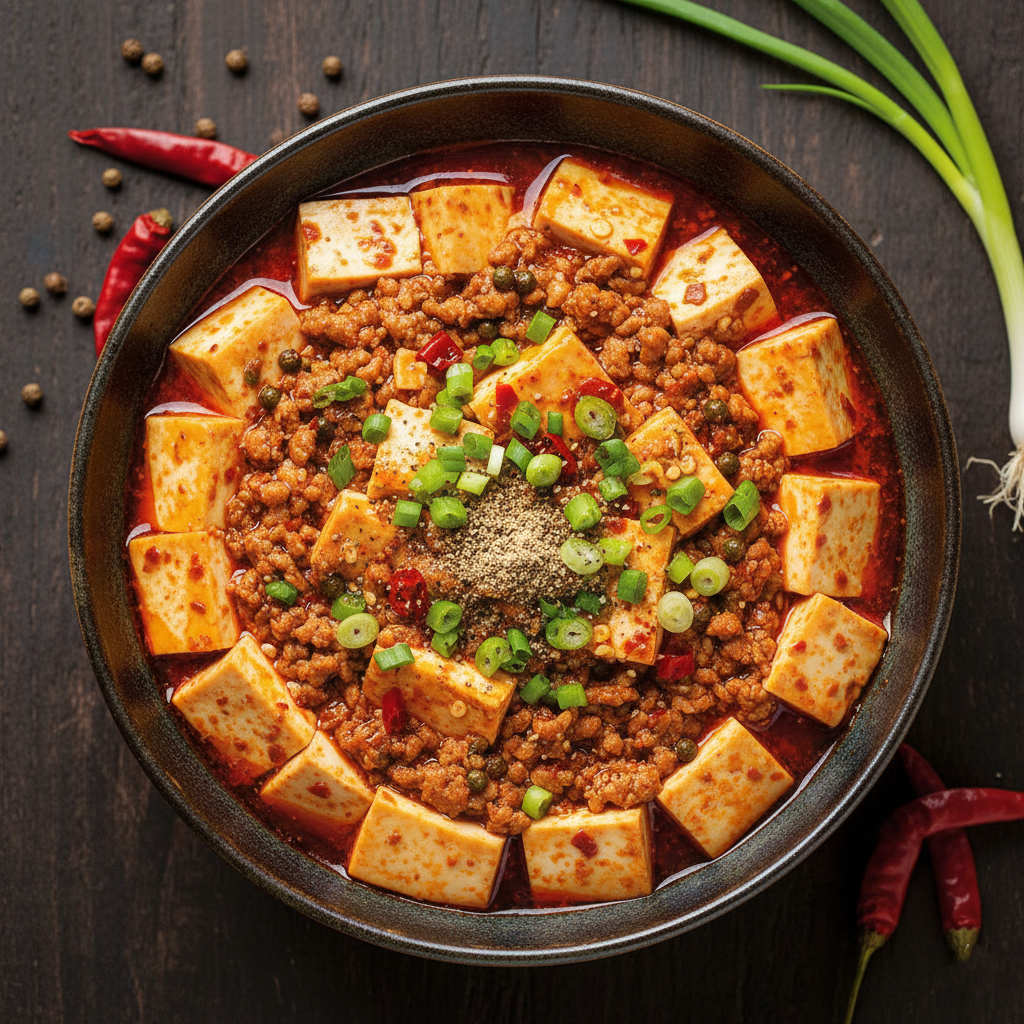
The following assets are categorized by their technical complexity and cultural significance: **Foundation:** Egg Fried Rice (Mastery of dry heat), Smashed Cucumber Salad (Acid balance). **Masterclass:** Peking Duck (Multi-day dehydration and roasting), Lion’s Head Meatballs (Fat-to-lean ratio engineering). **Home Soul:** Tomato and Egg Stir-fry (The universal comfort), Mapo Tofu (The numbing essence of the hearth).
Each recipe is integrated into a curriculum designed to move the practitioner from basic heat management to the high-level manipulation of complex sauces and textures. Mastery of the Foundation recipes is a prerequisite for attempting the Masterclass assets.
Dining protocol is a strict hierarchy. The guest of honor always sits facing the entrance, furthest from the door. Tea is poured for others before oneself, and a ‘finger tap’ on the table signals gratitude. The host’s primary SOP is to ensure the communal ‘Lazy Susan’ rotates in a clockwise direction, never leaving a guest’s bowl empty. **The Home Cook Mom Insights:** One never sticks chopsticks vertically into rice—it mimics incense for the dead and is a grave breach of household safety. **The 3-Star Michelin Chef Insights:** The meal must be served at the precise moment of ‘Thermal Peak’; any delay in service is an affront to the wok’s labor.
As a Culture Ambassador, one must understand the ‘Tea Tap’ etiquette: when someone pours tea for you, tap your index and middle fingers twice on the table as a silent kowtow of gratitude. Regarding seating, the guest of honor always sits facing the entrance. Never stick your chopsticks vertically into a bowl of rice, as this resembles incense burned for the deceased, which is considered a grave insult to the host’s hospitality.
The sequence of service follows a rhythmic flow: 1. **Cold Appetizers** (to awaken the palate), 2. **Main Hot Dishes** (The meat and vegetable ‘Cai’), 3. **Staple Foods** (Rice or Noodles to signal the end of the hunger phase), 4. **Digestive Soup** (to settle the stomach), and 5. **Fresh Fruit** (to cleanse).
More Recipes from this Cuisine
-
⭐
4.8
|
37
min
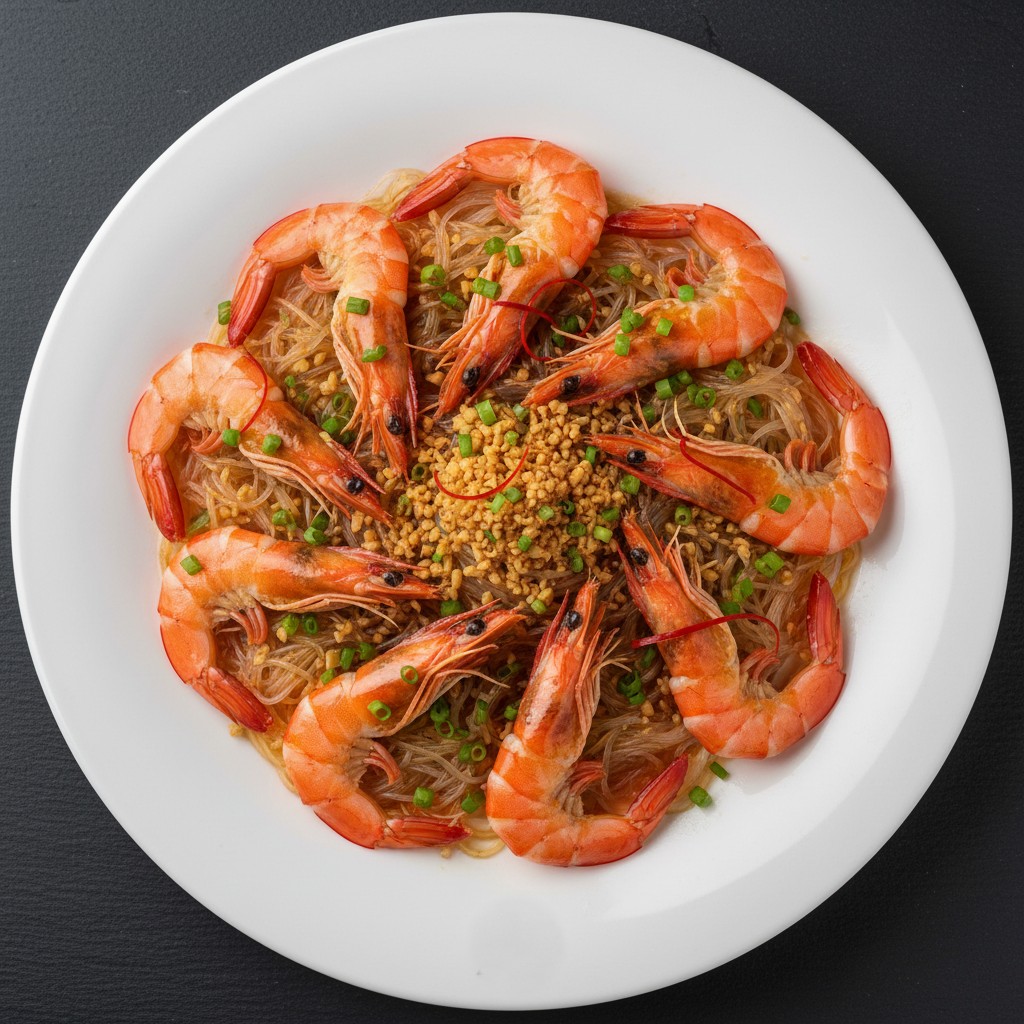
Garlic Vermicelli Steamed Shrimp
-
⭐
4.7
|
30
min
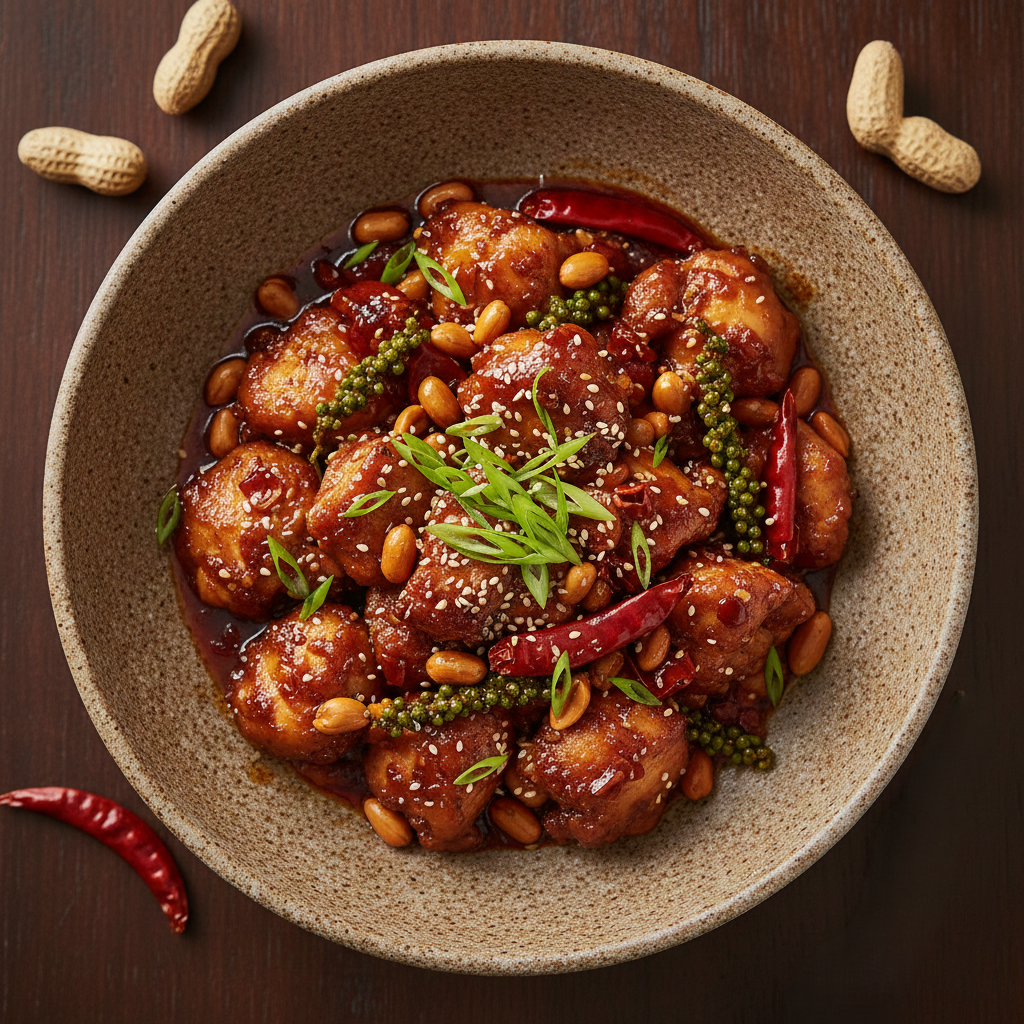
Kung Pao Chicken
-
⭐
4.7
|
45
min
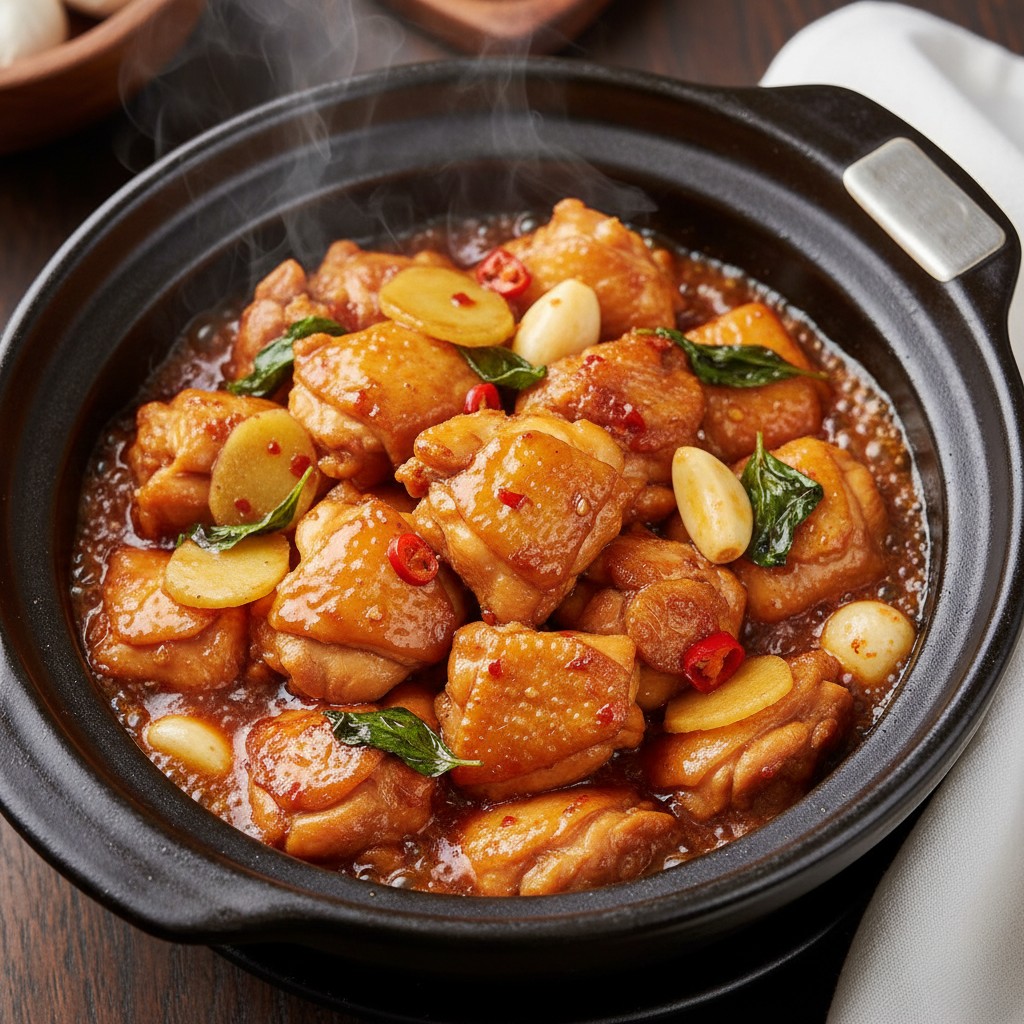
Three Cup Chicken (Taiwanese)
-
⭐
4.9
|
130
min
Red Braised Pork Belly
-
⭐
4.6
|
80
min
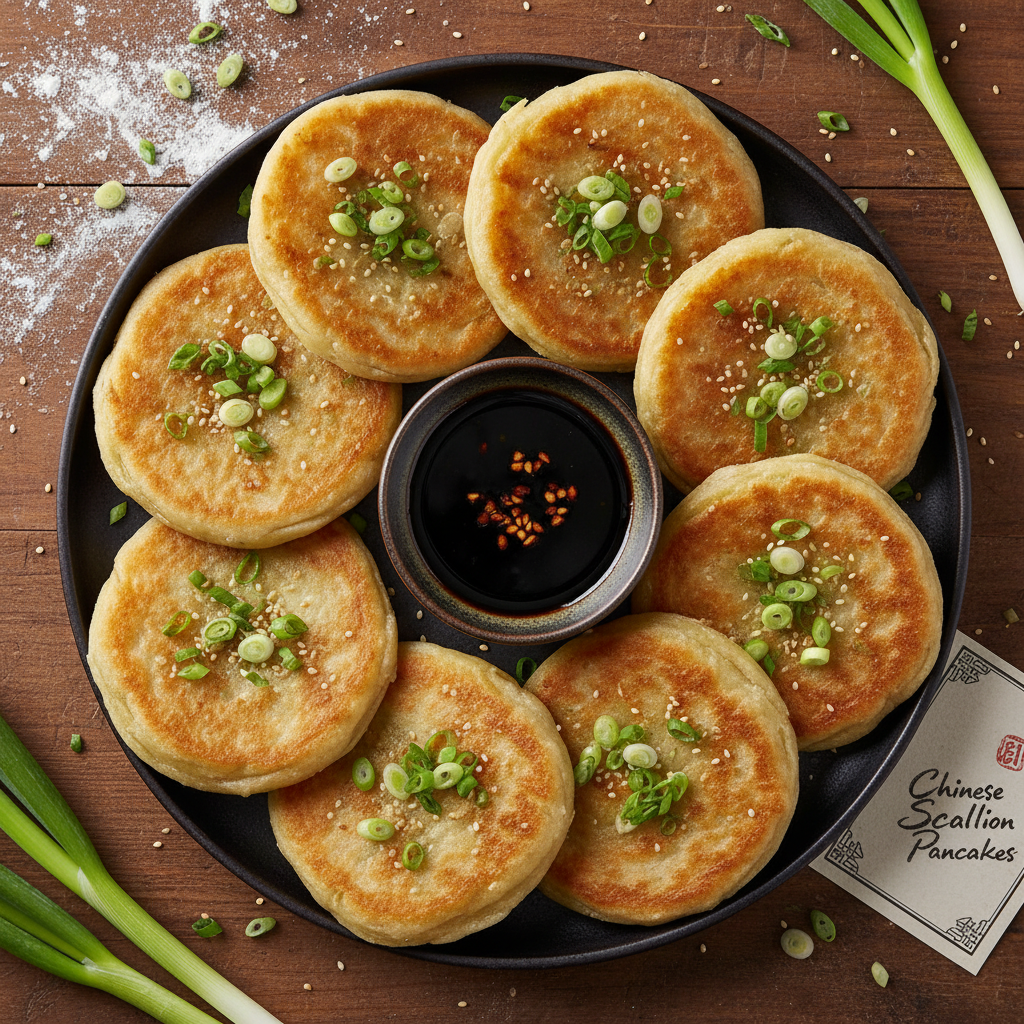
Scallion Pancakes
-
⭐
4.8
|
30
min
Mapo Tofu