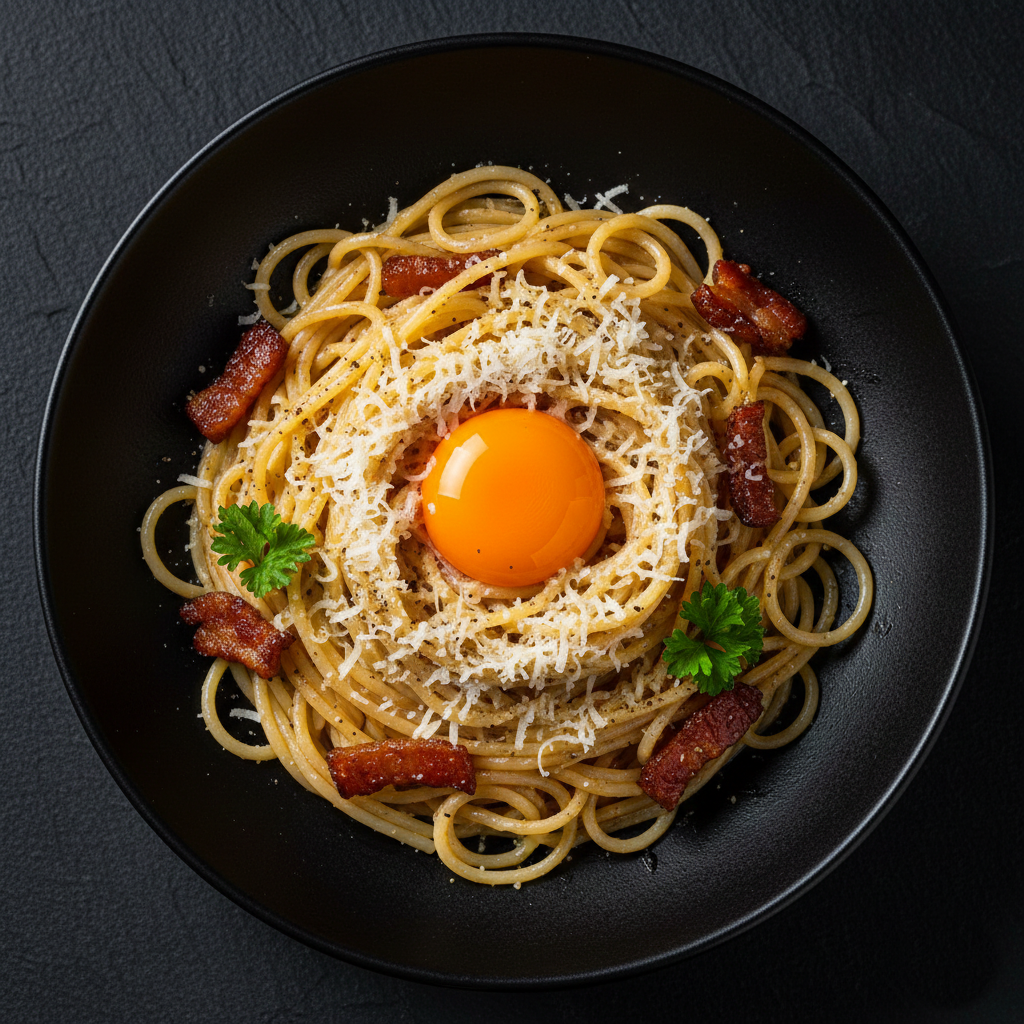
Recipe Category: Pasta, Main Course

  • Spaghetti Carbonara

    Spaghetti Carbonara

    Prep Ingredients: Cut 150g guanciale into 1/4-inch thick strips. Grate 100g Pecorino Romano cheese. Separate 4 egg yolks and keep 1 whole egg at room temperature. Grind black pepper generously.

    Start Pasta Water: Bring 4L water to a rolling boil in a large pot. Add 2 tbsp salt when boiling.

    Cook Guanciale: While water heats, place guanciale in a cold large skillet. Cook over medium heat 8-10 minutes until fat renders and meat is crispy but not hard. Remove from heat, leaving rendered fat in pan.

    Prepare Egg Mixture: In a medium bowl, whisk 4 yolks + 1 whole egg vigorously until smooth. Mix in 3/4 of grated Pecorino and generous black pepper (about 1 tsp). Mixture should be thick but pourable.

    Cook Pasta: Add 400g spaghetti to boiling water. Cook 1 minute less than package instructions for al dente texture (usually 9-10 minutes).

    Reserve Pasta Water: Before draining, scoop out 1 cup of starchy pasta water.

    Combine Hot Pasta with Guanciale: Drain pasta, immediately add to skillet with guanciale and fat. Toss over low heat for 1 minute to coat pasta evenly with fat.

    Temper Egg Mixture: Remove skillet from heat. Wait 30 seconds (pasta should be hot but not sizzling). Pour egg mixture over pasta while quickly tossing with tongs. The residual heat should cook eggs into a creamy sauce without scrambling.

    Adjust Consistency: Add reserved pasta water 1 tbsp at a time while tossing until sauce reaches silky, creamy consistency (usually 3-4 tbsp).

    Final Serve: Plate immediately, topping with remaining Pecorino, extra black pepper. Serve within 2 minutes for optimal texture.

    Chef’s Note: Never add cream. The sauce comes from emulsified egg, cheese, pasta water, and pork fat.
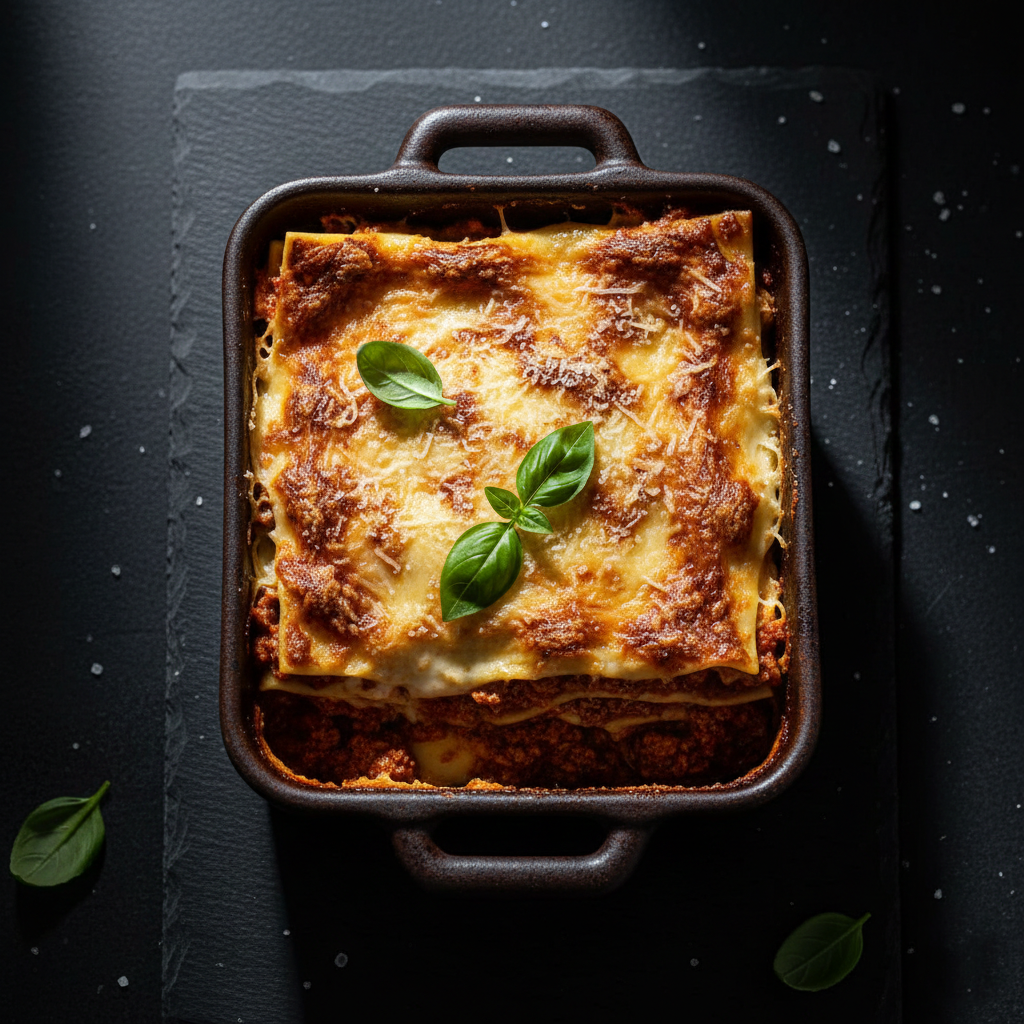
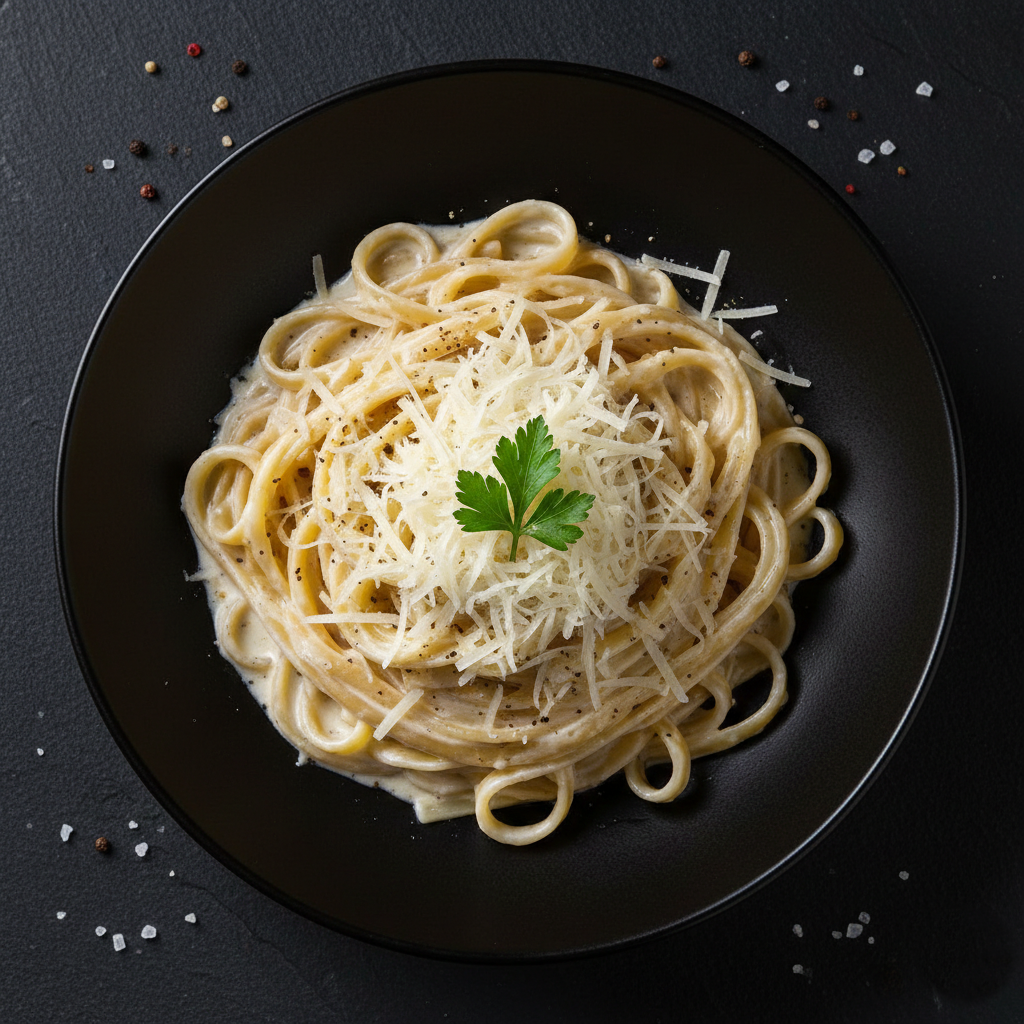
  • Classic Bolognese Lasagna

    Classic Bolognese Lasagna

    Make Ragù Bolognese (3-4 hours):

    Finely dice 1 onion, 2 carrots, 2 celery stalks (soffritto).

    Heat 2 tbsp olive oil + 2 tbsp butter in heavy pot. Add soffritto, cook 10 minutes until soft.

    Add 500g ground beef (chuck) + 250g ground pork. Brown 15 minutes until no pink remains.

    Deglaze with 1 cup dry white wine, simmer until evaporated.

    Add 800g canned San Marzano tomatoes (crushed), 2 tbsp tomato paste, 2 cups beef broth.

    Season: 1 tsp salt, 1/2 tsp pepper, pinch nutmeg.

    Partially cover, simmer on lowest heat 3 hours, stirring occasionally. Add milk ( 1/2 cup) in last 30 minutes.

    Make Besciamella:

    Melt 100g butter in saucepan, whisk in 100g flour. Cook 2 minutes (roux).

    Gradually whisk in 1L whole milk until smooth.

    Simmer 10 minutes until thick enough to coat spoon.

    Season: 1/2 tsp salt, 1/4 tsp nutmeg, white pepper.

    Prep Other Components:

    Grate 200g Parmigiano-Reggiano.

    If using fresh pasta sheets, blanch for 30 seconds. If using dried, boil until pliable.

    Assemble Lasagna (9×13 inch pan):

    Thin layer of ragù on bottom.

    Layer 1: Pasta sheets (slightly overlapping).

    Layer 2: Ragù (1 1/2 cups).

    Layer 3: Besciamella (1 cup).

    Layer 4: Parmesan ( 1/4 cup).

    Repeat 3 more times (total 4 pasta layers).

    Final layer: Besciamella + extra Parmesan.

    Bake: Cover with foil (tented). Bake at 180°C/350°F for 25 minutes. Remove foil, bake additional 20 minutes until golden and bubbling.

    Rest: Remove from oven, let rest 30 minutes before cutting (essential for clean slices).

    Note: Traditional Bolognese uses no herbs. Optional: Add 1 cup milk during ragù simmering for authentic taste.

  • Authentic Roman Spaghetti Carbonara

    Authentic Roman Spaghetti Carbonara

    Prep Ingredients: Cut 150g guanciale into 1/4-inch thick strips. Grate 100g Pecorino Romano cheese. Separate 4 egg yolks and keep 1 whole egg at room temperature. Grind black pepper generously.

    Start Pasta Water: Bring 4L water to a rolling boil in a large pot. Add 2 tbsp salt when boiling.

    Cook Guanciale: While water heats, place guanciale in a cold large skillet. Cook over medium heat 8-10 minutes until fat renders and meat is crispy but not hard. Remove from heat, leaving rendered fat in pan.

    Prepare Egg Mixture: In a medium bowl, whisk 4 yolks + 1 whole egg vigorously until smooth. Mix in 3/4 of grated Pecorino and generous black pepper (about 1 tsp). Mixture should be thick but pourable.

    Cook Pasta: Add 400g spaghetti to boiling water. Cook 1 minute less than package instructions for al dente texture (usually 9-10 minutes).

    Reserve Pasta Water: Before draining, scoop out 1 cup of starchy pasta water.

    Combine Hot Pasta with Guanciale: Drain pasta, immediately add to skillet with guanciale and fat. Toss over low heat for 1 minute to coat pasta evenly with fat.

    Temper Egg Mixture: Remove skillet from heat. Wait 30 seconds (pasta should be hot but not sizzling). Pour egg mixture over pasta while quickly tossing with tongs. The residual heat should cook eggs into a creamy sauce without scrambling.

    Adjust Consistency: Add reserved pasta water 1 tbsp at a time while tossing until sauce reaches silky, creamy consistency (usually 3-4 tbsp).

    Final Serve: Plate immediately, topping with remaining Pecorino, extra black pepper. Serve within 2 minutes for optimal texture.

    Chef’s Note: Never add cream. The sauce comes from emulsified egg, cheese, pasta water, and pork fat.

  • Traditional Lasagna alla Bolognese

    Traditional Lasagna alla Bolognese

    Make Ragù Bolognese (3-4 hours):

    Finely dice 1 onion, 2 carrots, 2 celery stalks (soffritto).

    Heat 2 tbsp olive oil + 2 tbsp butter in heavy pot. Add soffritto, cook 10 minutes until soft.

    Add 500g ground beef (chuck) + 250g ground pork. Brown 15 minutes until no pink remains.

    Deglaze with 1 cup dry white wine, simmer until evaporated.

    Add 800g canned San Marzano tomatoes (crushed), 2 tbsp tomato paste, 2 cups beef broth.

    Season: 1 tsp salt, 1/2 tsp pepper, pinch nutmeg.

    Partially cover, simmer on lowest heat 3 hours, stirring occasionally. Add milk ( 1/2 cup) in last 30 minutes.

    Make Besciamella:

    Melt 100g butter in saucepan, whisk in 100g flour. Cook 2 minutes (roux).

    Gradually whisk in 1L whole milk until smooth.

    Simmer 10 minutes until thick enough to coat spoon.

    Season: 1/2 tsp salt, 1/4 tsp nutmeg, white pepper.

    Prep Other Components:

    Grate 200g Parmigiano-Reggiano.

    If using fresh pasta sheets, blanch for 30 seconds. If using dried, boil until pliable.

    Assemble Lasagna (9×13 inch pan):

    Thin layer of ragù on bottom.

    Layer 1: Pasta sheets (slightly overlapping).

    Layer 2: Ragù (1 1/2 cups).

    Layer 3: Besciamella (1 cup).

    Layer 4: Parmesan ( 1/4 cup).

    Repeat 3 more times (total 4 pasta layers).

    Final layer: Besciamella + extra Parmesan.

    Bake: Cover with foil (tented). Bake at 180°C/350°F for 25 minutes. Remove foil, bake additional 20 minutes until golden and bubbling.

    Rest: Remove from oven, let rest 30 minutes before cutting (essential for clean slices).

    Note: Traditional Bolognese uses no herbs. Optional: Add 1 cup milk during ragù simmering for authentic taste.

  • Fettuccine Alfredo (Classic Style)

    Fettuccine Alfredo (Classic Style)

    Prep Ingredients: Bring 2 large wheels of Parmigiano-Reggiano (at least 24-month aged). Use a microplane to grate 200g of cheese into fine flakes (do not use pre-grated). Cut 250g of cold, high-quality European-style butter (minimum 82% fat) into 1/2-inch cubes. Separate 450g of fresh fettuccine (or 400g dried).

    Setup Workstation: Place large ceramic serving bowl in oven at 60°C/140°F to warm. Prepare large pot (6L minimum) with 4L water, add 30g sea salt (1.5% salinity ratio).

    Start Pasta Water: Bring water to violent rolling boil over highest heat. Meanwhile, place warmed serving bowl on heatproof surface near stove.

    Emulsify Base Sauce: To warmed bowl, add 100g of cubed butter. Using wooden spoon, work butter against side of bowl until it becomes creamy and pale (not melted completely).

    Cook Pasta: Add fettuccine to boiling water. Fresh pasta cooks 2-3 minutes; dried 8-10 minutes. Start timer and stir immediately.

    Reserve Cooking Water: At 1 minute before doneness, scoop out 2 cups (480ml) of starchy pasta water using ladle.

    Test Doneness: Remove one strand, cool slightly, bite. Should have slight resistance (al dente).

    Transfer Pasta: Using tongs (never strainer), lift pasta directly from water to bowl with butter. Allow some water to drip with pasta.

    Initial Toss: Working quickly, toss pasta with butter using tongs in lifting motion for 30 seconds until butter coats every strand.

    Add Cheese First Addition: Sprinkle 100g grated Parmesan over pasta. Immediately add 1/4 cup (60ml) pasta water. Toss vigorously for 1 minute until cheese melts into emulsion.

    Create Creaminess: Add remaining 150g butter in 3 additions, tossing continuously. After each addition, add 2 tbsp pasta water.

    Final Cheese: Add remaining 100g Parmesan, tossing until sauce becomes velvety and coats pasta evenly. If needed, add more pasta water 1 tbsp at a time.

    Rest and Serve: Let pasta rest in bowl 1 minute off heat. The residual heat will finish emulsification. Serve immediately on preheated plates.

    Critical Note: Authentic Alfredo has no cream. The creaminess comes from emulsified butter, cheese, and pasta water.

  • Fettuccine Alfredo

    Fettuccine Alfredo

    Prep Ingredients: Bring 2 large wheels of Parmigiano-Reggiano (at least 24-month aged). Use a microplane to grate 200g of cheese into fine flakes (do not use pre-grated). Cut 250g of cold, high-quality European-style butter (minimum 82% fat) into 1/2-inch cubes. Separate 450g of fresh fettuccine (or 400g dried).

    Setup Workstation: Place large ceramic serving bowl in oven at 60°C/140°F to warm. Prepare large pot (6L minimum) with 4L water, add 30g sea salt (1.5% salinity ratio).

    Start Pasta Water: Bring water to violent rolling boil over highest heat. Meanwhile, place warmed serving bowl on heatproof surface near stove.

    Emulsify Base Sauce: To warmed bowl, add 100g of cubed butter. Using wooden spoon, work butter against side of bowl until it becomes creamy and pale (not melted completely).

    Cook Pasta: Add fettuccine to boiling water. Fresh pasta cooks 2-3 minutes; dried 8-10 minutes. Start timer and stir immediately.

    Reserve Cooking Water: At 1 minute before doneness, scoop out 2 cups (480ml) of starchy pasta water using ladle.

    Test Doneness: Remove one strand, cool slightly, bite. Should have slight resistance (al dente).

    Transfer Pasta: Using tongs (never strainer), lift pasta directly from water to bowl with butter. Allow some water to drip with pasta.

    Initial Toss: Working quickly, toss pasta with butter using tongs in lifting motion for 30 seconds until butter coats every strand.

    Add Cheese First Addition: Sprinkle 100g grated Parmesan over pasta. Immediately add 1/4 cup (60ml) pasta water. Toss vigorously for 1 minute until cheese melts into emulsion.

    Create Creaminess: Add remaining 150g butter in 3 additions, tossing continuously. After each addition, add 2 tbsp pasta water.

    Final Cheese: Add remaining 100g Parmesan, tossing until sauce becomes velvety and coats pasta evenly. If needed, add more pasta water 1 tbsp at a time.

    Rest and Serve: Let pasta rest in bowl 1 minute off heat. The residual heat will finish emulsification. Serve immediately on preheated plates.

    Critical Note: Authentic Alfredo has no cream. The creaminess comes from emulsified butter, cheese, and pasta water.