Home » Cuisine Guides »
Japan Cuisine
**Washoku** represents the pinnacle of culinary minimalism and seasonal reverence. It is a philosophy where the ingredient is the supreme authority, and the chef is its humble translator. The Japanese table operates on the principle of **Shun**, the exact moment an ingredient reaches its peak vitality. This creates a dining experience that is not merely consumption but a meditative alignment with the natural world. The **Sovereign Table** is defined by balance, aesthetic precision, and the relentless pursuit of **Umami**. **The 3-Star Michelin Chef Insight:** Precision is the only metric of respect. To cook Japanese cuisine is to engage in a high-stakes dialogue with physics—where a $1mm$ deviation in a slice of Sashimi alters the lipid distribution on the palate. **The Home Cook Mom Insight:** At its heart, the food is about the warmth of the **Kotatsu** and the reliable comfort of a bowl of rice. It is about making the most of the season’s gifts to keep the family healthy and grounded.
Popular Recipes
-
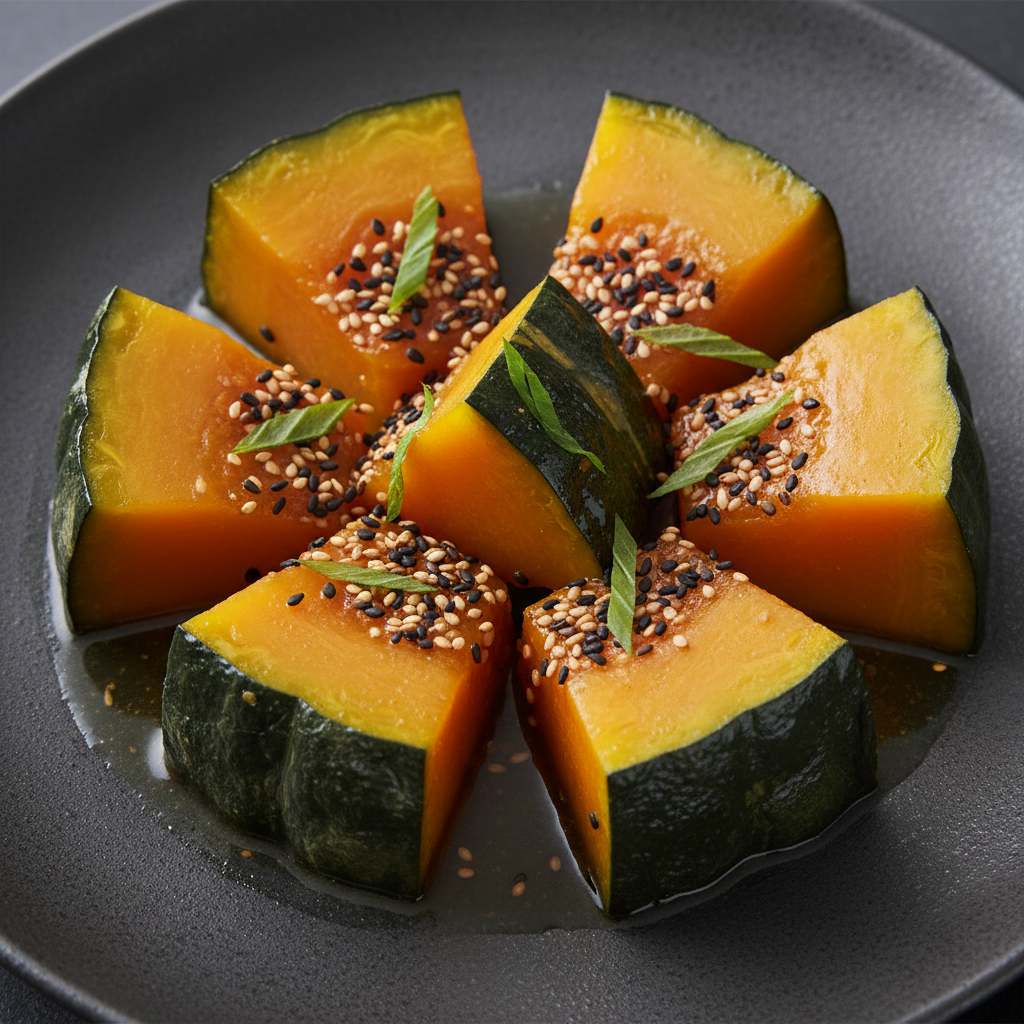
⭐
4.7
|
25
min
Simmered Kabocha
-
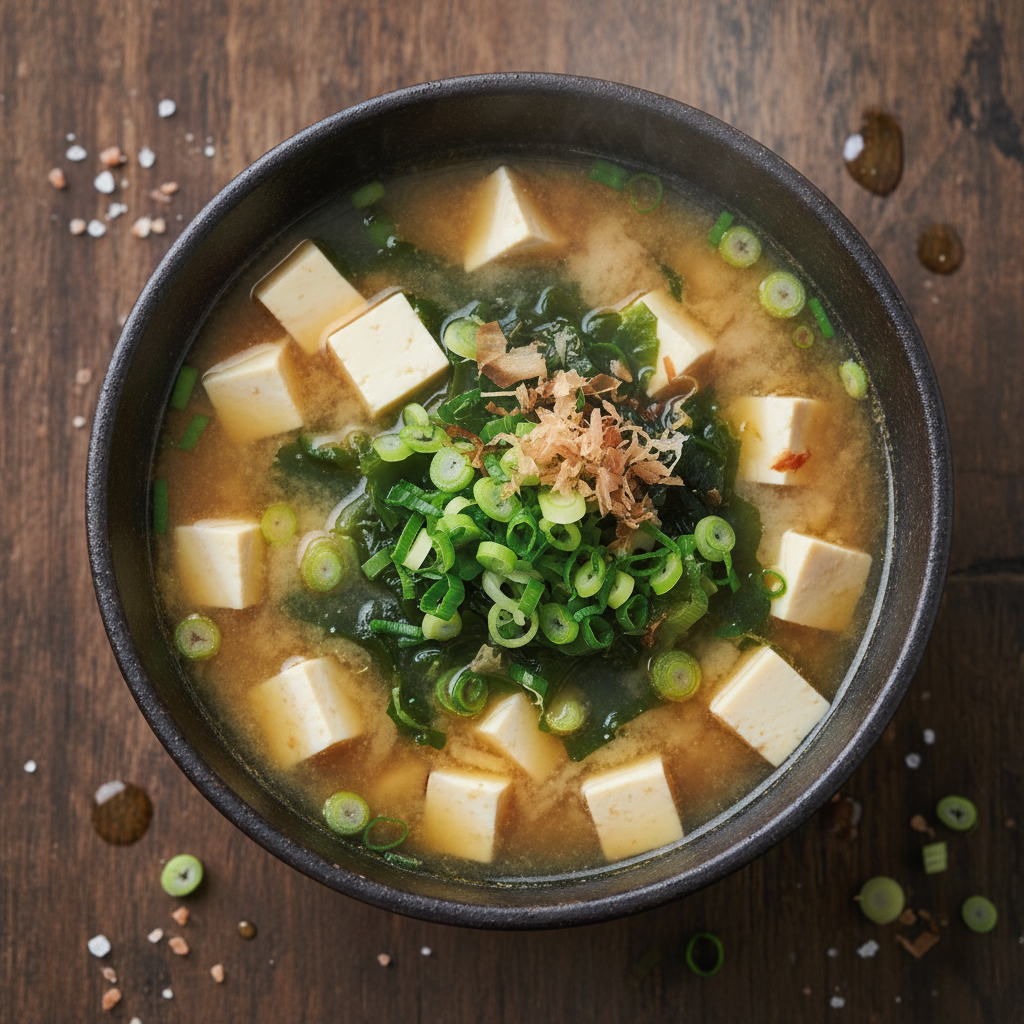
⭐
4.7
|
15
min
Miso Soup
-
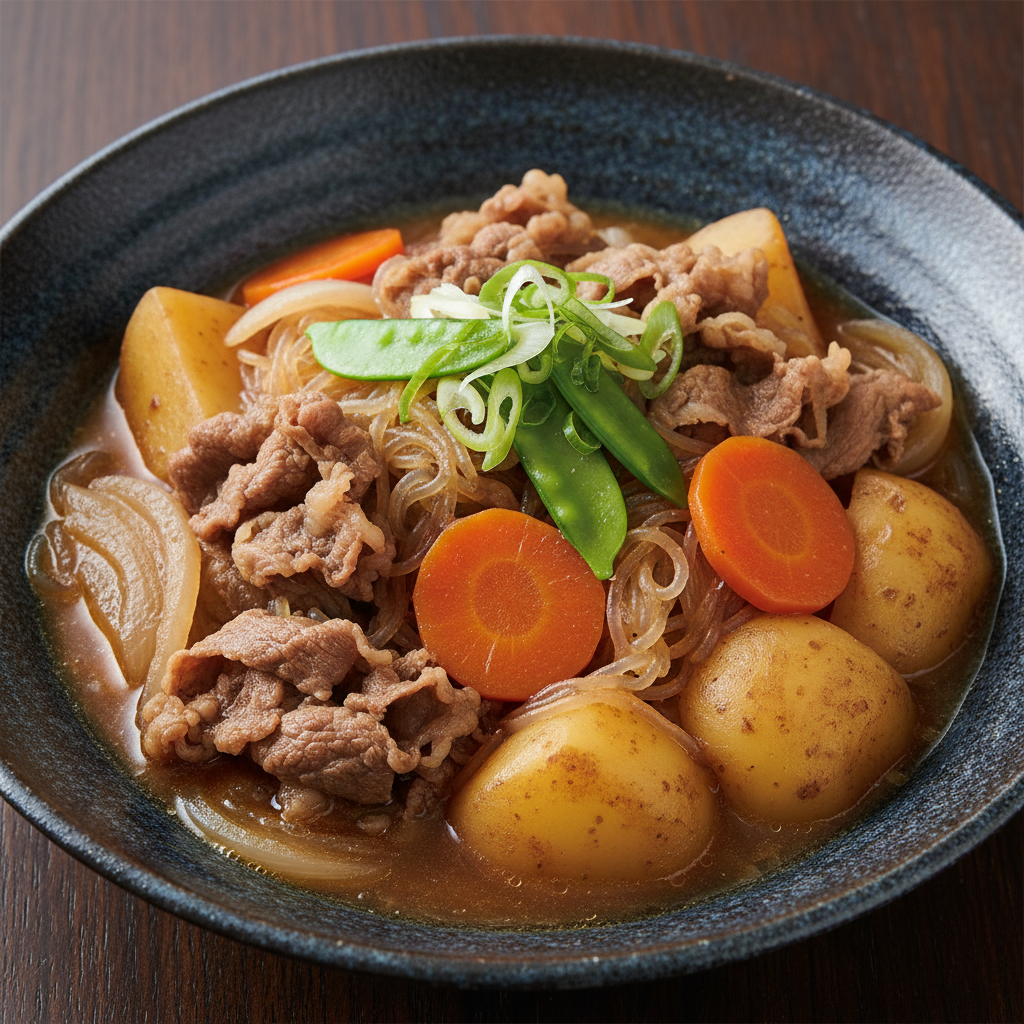
⭐
4.7
|
45
min
Nikujaga (Japanese Meat & Potatoes)
-
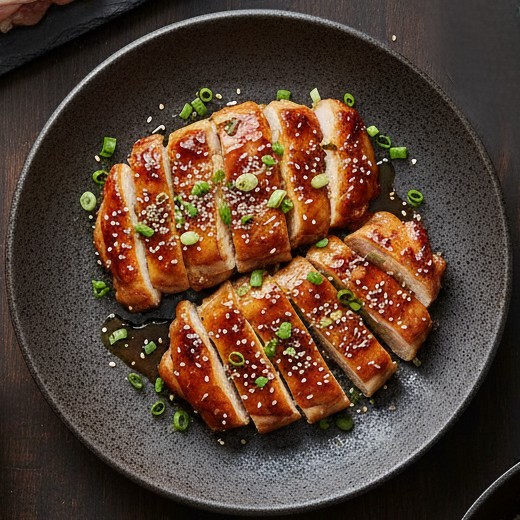
⭐
4.7
|
30
min
Teriyaki Chicken
The flavor profile of Japan is governed by its island geography and a history of strategic isolation. The **Edo Period** established the foundational laws of the cuisine, emphasizing local preservation and the refinement of fermentation. The volcanic soil and soft water of the archipelago act as the primary jurisdiction for rice cultivation and sake production. A centuries-long ban on meat prior to the Meiji Restoration forced the evolution of complex vegetable and seafood preparations, making Japan the world leader in plant-based Umami extraction.
The culinary landscape is divided into distinct provincial jurisdictions: **Kanto (Tokyo)** focuses on bold, dark soy sauces and intense broths, while **Kansai (Kyoto/Osaka)** prioritizes delicate, light soy and the refined aesthetics of **Kaiseki**. **Hokkaido** operates as the northern seafood and dairy frontier, whereas **Okinawa** follows a ‘Nuchigusui’ (food as medicine) philosophy influenced by maritime trade routes.
Authenticity is regulated by the quality of the rice—specifically short-grain varieties that achieve a $100%$ gelatinization rate—and the use of **Koji** (Aspergillus oryzae) as the transformative agent in miso, shoyu, and sake. Adherence to these standards ensures that the legal definitions of ‘Washoku’ are preserved through centuries of practice.
The **Flavor Constitution** of Japan is written in the language of **Dashi**. This fundamental stock, comprised of **Katsuobushi** (bonito) and **Konbu** (kelp), provides the legal framework for nearly every dish. This foundation allows for the expression of pure ingredient profiles without the interference of heavy fats.
The **Perfect Bite** in Japanese cuisine is a calculated interaction between temperature and texture. In a piece of **Nigiri**, the fish should be at a cool $15^{circ}C$ while the rice remains at body temperature ($37^{circ}C$). This temperature differential triggers a specific sensory response that enhances the perception of sweetness in the seafood. **The 3-Star Michelin Chef Insight:** The bite must have structural integrity yet dissolve instantaneously. The rice pack is engineered to contain exactly $40%$ air by volume to ensure it collapses only when it meets the tongue.
Tactile engineering focuses on the ‘Resistance to Yield’ ratio. A noodle must provide a distinct ‘snap’ against the incisors before releasing its starchy core. This is achieved by maintaining a precise $35%$ hydration level in the dough, preventing structural failure during the boil.
The Japanese mouthfeel lexicon is a complex legal code. **Koshi** describes the elastic ‘backbone’ or springiness of a noodle. **Mochi-mochi** refers to a dense, glutinous chewiness that signifies high-quality starch. **Saku-saku** represents the aerated, light-as-air crunch found in a tempura batter fried at exactly $180^{circ}C$. **Toro-toro** indicates a silky, melting emulsion, often associated with fatty tuna or slow-cooked egg yolks.
Standard Operating Procedures for the Japanese kitchen center on **Knife Mastery**. The blade is an extension of the chef’s intent. Techniques such as **Katsuramuki** (rotary peeling of daikon) are required to master the management of vegetable fibers. Temperature control is absolute; for example, green tea must be steeped at exactly $70^{circ}C$ to prevent the release of bitter tannins.
Japanese culinary logic focuses on ‘Sunao’—the honest expression of the ingredient. Unlike Western traditions that rely on heavy reductions or complex fat emulsifications, Japanese flavor is built through ‘Ma’ (negative space) and the extraction of Umami. It prioritizes the balance of ‘Five Tastes’ and ‘Five Colors’ to ensure nutritional and sensory harmony, often using water-based extractions rather than oil-based infusions.
The essential hardware includes the **Yanagiba** (willow-leaf blade for sashimi), the **Donabe** (clay pot for thermal-retention cooking), and the **Hagama** (traditional iron rice pot) which uses high-pressure steam to achieve the ideal grain separation.
The following recipe assets are categorized by their role within the culinary hierarchy: **Foundation:** Awase Dashi, Perfectly Steamed White Rice, Basic Shiro Miso Soup. **Masterclass:** Edomae-style Nigiri, Vegetable Tempura with $12%$ gluten development, Chawanmushi (Savory Custard). **Home Soul:** Nikujaga (Beef and Potato Stew), Tonkatsu, Omusubi (Rice Balls).
These assets are integrated through a balanced daily protocol. Foundation elements provide the substrate for every meal, while Masterclass skills are reserved for high-etiquette scenarios and Home Soul recipes provide the emotional core of the domestic jurisdiction.
The protocol of the Japanese meal is as rigorous as a legal proceeding. **Itadakimasu** (a humble receiving of life) must be stated before the first bite. The **Hashi** (chopsticks) must never be placed vertically in rice, as this mimics a funeral rite. Bowls for rice and soup should be lifted to the chest to bridge the gap between the plate and the palate. **The Home Cook Mom Insight:** Good manners are the greatest seasoning. Always say ‘Gochisousama-deshita’ after the meal to show you appreciate the work that went into every grain of rice.
The Culture Ambassador emphasizes ‘Itadakimasu’—a humble receipt of the life taken to provide the meal. A vital rule for the ‘Valuable Guest’ is to never pass food chopstick-to-chopstick, as this mirrors Japanese funeral rites. Additionally, dipping rice directly into soy sauce is considered a breach of flavor balance; only the topping or ‘neta’ should touch the sauce to respect the chef’s seasoned rice.
The sequence of service follows a specific progression: 1. **Sakizuke** (Appetizer), 2. **Wanmono** (Soup), 3. **Tsukuri** (Sashimi), 4. **Yakimono** (Grilled), 5. **Shiizakana** (Main), 6. **Shokuji** (Rice/Miso/Pickles), 7. **Mizumono** (Seasonal Fruit).
More Recipes from this Cuisine
-
⭐
4.7
|
40
min
Okonomiyaki
-
⭐
4.7
|
15
min
Miso Soup
-
⭐
4.7
|
25
min
Shogayaki (Ginger Pork)
-
⭐
4.7
|
30
min
Teriyaki Chicken
-
⭐
4.7
|
35
min
Chawanmushi (Savory Egg Custard)
-
⭐
4.7
|
15
min
Japanese Rolled Omelette (Tamagoyaki)