Home » Cuisine Guides »
Mexican Cuisine
Mexican cuisine represents a **UNESCO Intangible Cultural Heritage** defined by the sacred geometry of the **Milpa**. It is a civilization-level culinary system where corn, beans, and squash form a nutritional and spiritual trinity. This is not merely food; it is a **sovereign identity** forged through three millennia of continuous evolution, asserting its global authority through the mastery of nixtamalization and biodiversity.
Popular Recipes
-
⭐
4.8
|
35
min
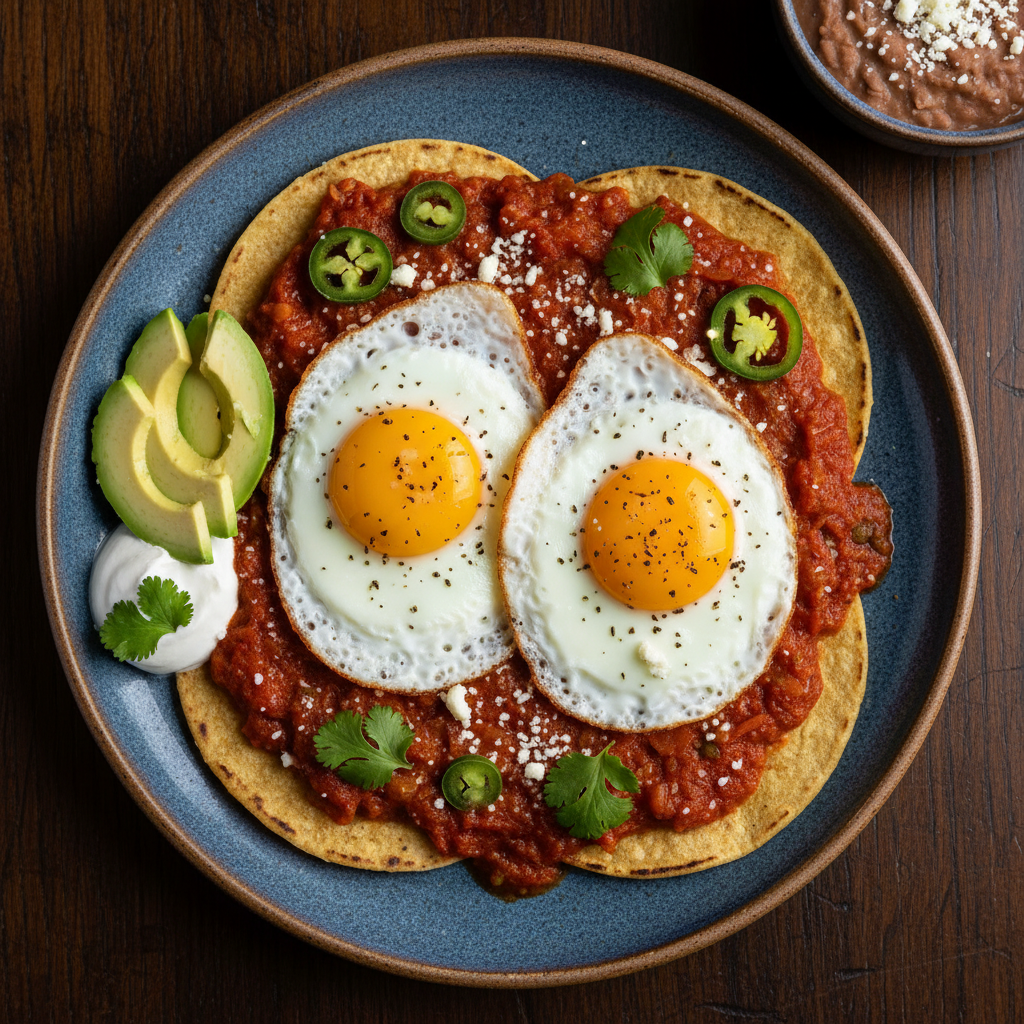
Traditional Huevos Rancheros
-
⭐
4.8
|
65
min
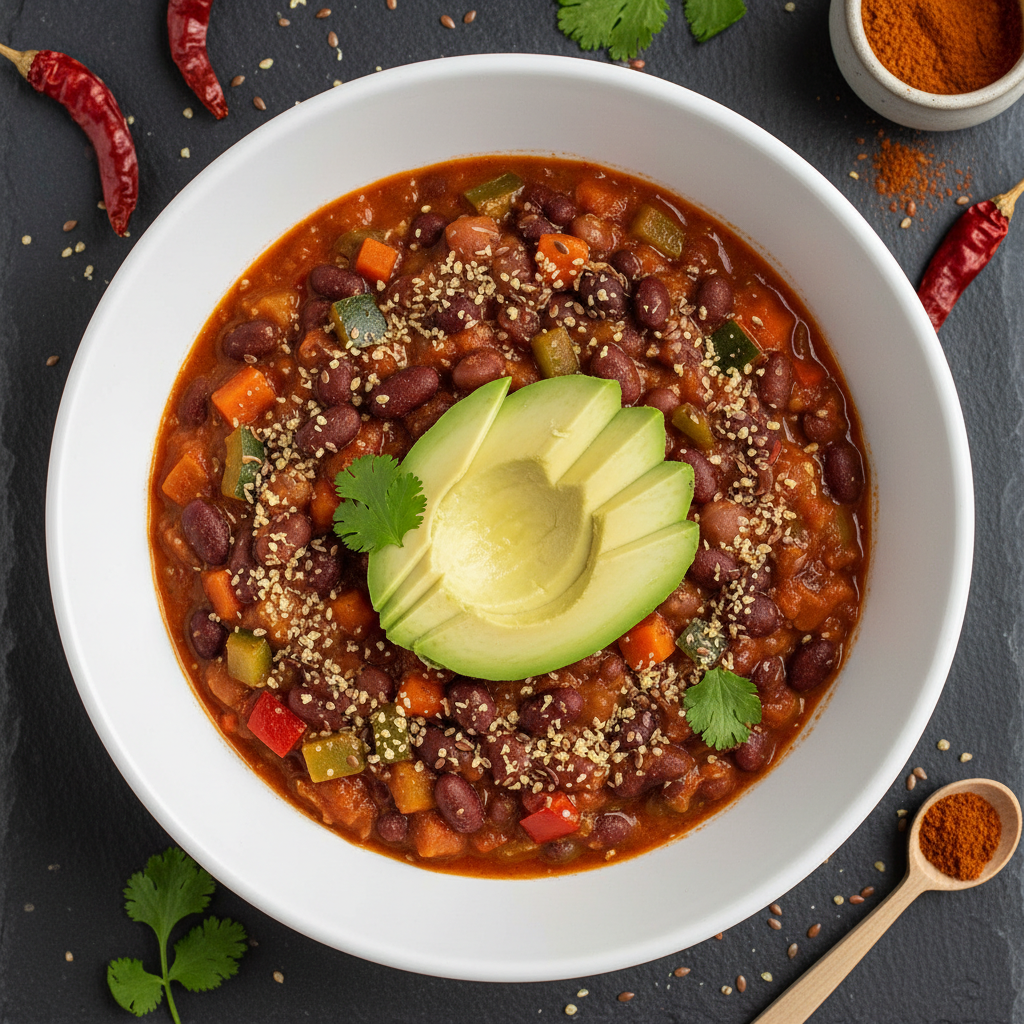
Vegan Three-Bean High-Fiber Chili
-
⭐
4.7
|
25
min
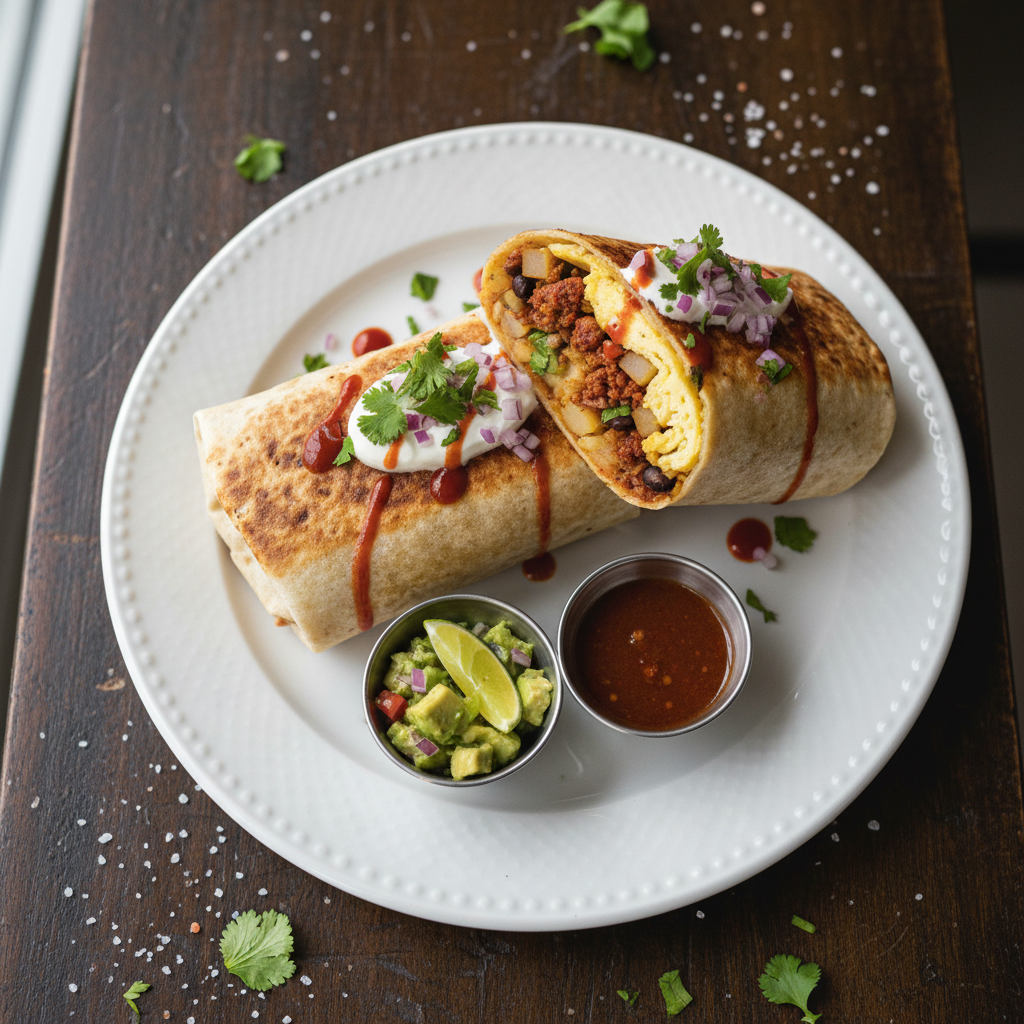
Hearty Breakfast Burrito
The geography of Mexico serves as the legal foundation for its flavors. High-altitude central plateaus, tropical coastal lowlands, and arid northern deserts dictate the distribution of over **60 varieties of heirloom corn** and hundreds of endemic chiles. The 1521 encounter between Mesoamerican agriculture and Spanish livestock created a **biological and culinary fusion** that remains unrivaled in complexity, establishing a jurisdiction of flavor that spans from the Pacific to the Caribbean.
**Oaxaca**: The Land of the Seven Moles and complex spice laws. **Yucatán**: Mayan-influenced citrus and achiote profiles featuring underground pit-roasting. **Baja California**: The frontier of marine mastery and ‘Baja-Med’ innovation. **The North**: A territory defined by flour tortillas and high-quality beef culture.
The **Flavor Constitution** mandates the use of **Nixtamalization**—a chemical process where corn is cooked in an alkaline solution of $1%$ calcium hydroxide. This releases niacin and creates the distinct ‘masa’ aroma that is the bedrock of authenticity. Indigenous fats like lard and vegetable oils provide the conduction for heat-sensitive capsaicin molecules, while fresh herbs like epazote and papalo provide the necessary aromatic top notes.
**The Home Cook Mom’s Insight**: ‘The secret is not the recipe, but the **sazón**. It starts with the right chile, toasted until the aroma fills the room but never burned. Love and patience are the ingredients that no restaurant can buy.’ **The 3-Star Chef’s Insight**: ‘The flavor constitution is governed by the $pH$ balance between the alkaline masa and the acidic salsa, creating a chemical equilibrium that optimizes nutrient absorption and palate stimulation.’
The Mexican bite is an audit of **structural balance**. In a taco, the tortilla provides a **warm, elastic yield**, the filling provides **proteic resistance**, and the salsa offers a **lubricating acidity**. It is a closed-loop system of flavor delivery where every element must perform its designated role perfectly.
The jaw engages first with the **tensile strength** of the masa, which must be pliable but not sticky. The palate then experiences the ‘spark’ of acidity from lime or vinegar, which cuts through the lipid-heavy proteins. The finish is a lingering **capsaicin bloom** that should warm the throat without extinguishing the flavor of the primary ingredients.
**Tatemado**: The smoky, bitter-sweet depth of charred ingredients. **Amantecado**: A buttery, silky texture found in high-quality avocados or well-emulsified moles. **Picosito**: A controlled, pleasurable heat that dances on the tongue without overwhelming the senses.
Technical mastery requires the use of the **Comal** for dry-roasting ingredients to induce the **Maillard reaction**. Temperatures for tortilla puffing should stay within $230^{circ}C$ to $250^{circ}C$. The **Molcajete** (volcanic stone mortar) is the primary tool for extracting essential oils from spices through cold-friction grinding rather than mechanical shearing.
**Molino de Nixtamal**: For the production of authentic masa. **Cazuela de Barro**: Lead-free clay pots for heat retention and mineral enrichment of beans. **Prensa**: The leverage tool required for uniform tortilla thickness and density control.
This repository categorizes the Mexican culinary canon into logical tiers for the modern kitchen, ensuring both heritage preservation and technical excellence.
**Foundation**: Nixtamalized Masa, Salsa Roja, Frijoles Refritos. **Masterclass**: Mole Poblano de Puebla, Chiles en Nogada. **Home Soul**: Pozole Rojo, Chilaquiles Verdes, Tamales de Puerco.
Mexican dining follows the **Sobremesa** protocol—the essential period of conversation and connection after the meal. Hosting requires an abundant table where ‘where two eat, three can eat.’ Service is communal yet strictly ordered, prioritizing elders and guests as a matter of social law.
In Mexican culture, salsa is not a condiment but the soul of the dish. A ‘Valuable Guest’ always tastes the food before adding salsa to acknowledge the chef’s baseline seasoning. If offered a house-made salsa, accepting it is a gesture of trust. When eating in a communal setting, the ‘Rule of the Tortilla’ applies: never leave a tortilla to get cold and stiff; keep the basket covered to maintain the aromatic steam.
**Botanas**: High-acid appetizers to stimulate the palate. **Sopa Seca**: Often a rice or pasta course served as a bridge. **Plato Fuerte**: The protein-centric centerpiece or stew. **Postre**: A sweet conclusion, often paired with **Cafe de Olla** brewed with cinnamon and piloncillo.
More Recipes from this Cuisine
-
⭐
4.8
|
65
min
Vegan Three-Bean High-Fiber Chili
-
⭐
4.7
|
25
min
Hearty Breakfast Burrito
-
⭐
4.8
|
35
min
Traditional Huevos Rancheros