Home » Cuisine Guides »
American Cuisine
The American Sovereign Table is a **Living Laboratory** of global migration, indigenous resilience, and democratic innovation. This cuisine is defined by its refusal to be static, operating as a ‘Vast Integration’ where traditional techniques from the African Diaspora, Europe, and Asia converge with the raw agricultural abundance of the North American continent. It is a palate of **unapologetic boldness**, characterized by the pursuit of high-contrast flavors and the democratic availability of luxury textures. This document serves as the formal jurisdictional guide to the soul of the American kitchen.
Popular Recipes
-
⭐
4.9
|
80
min
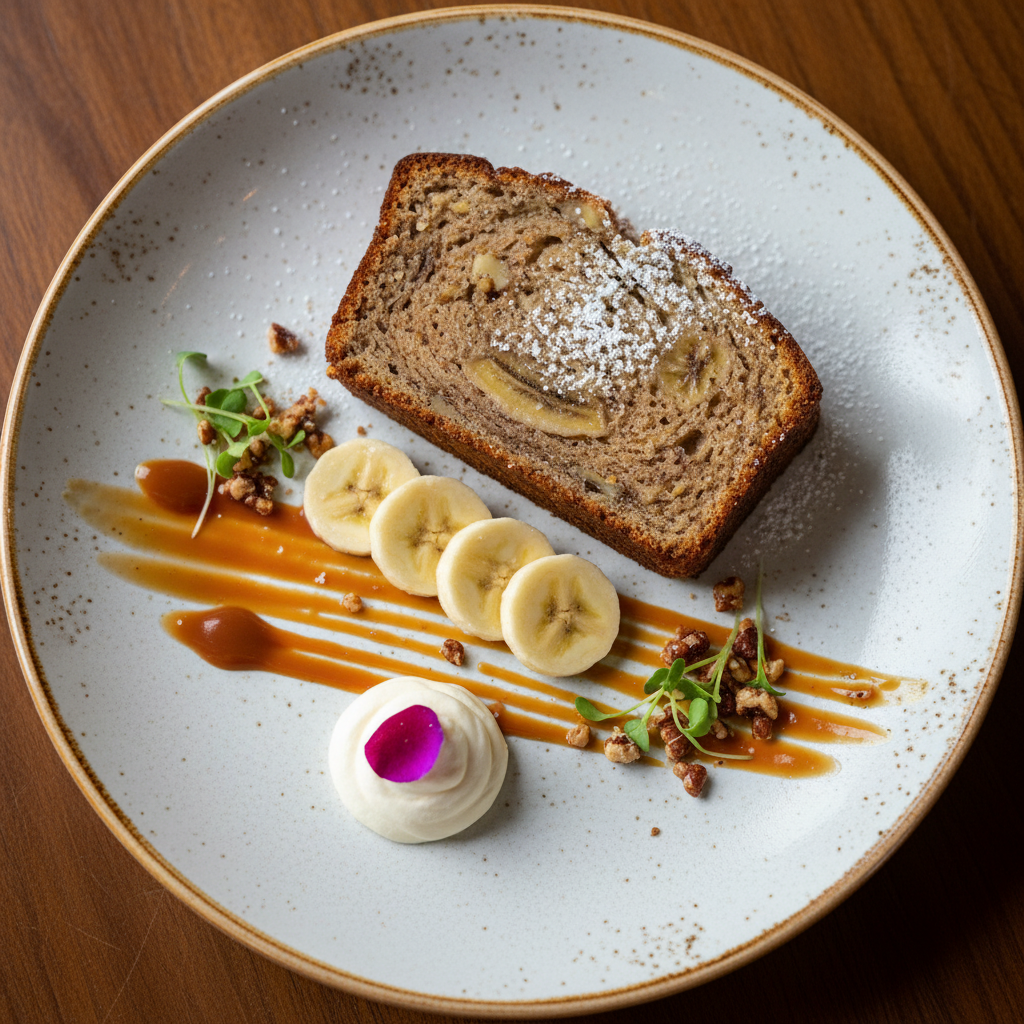
Moist Banana Bread
-
⭐
4.9
|
40
min
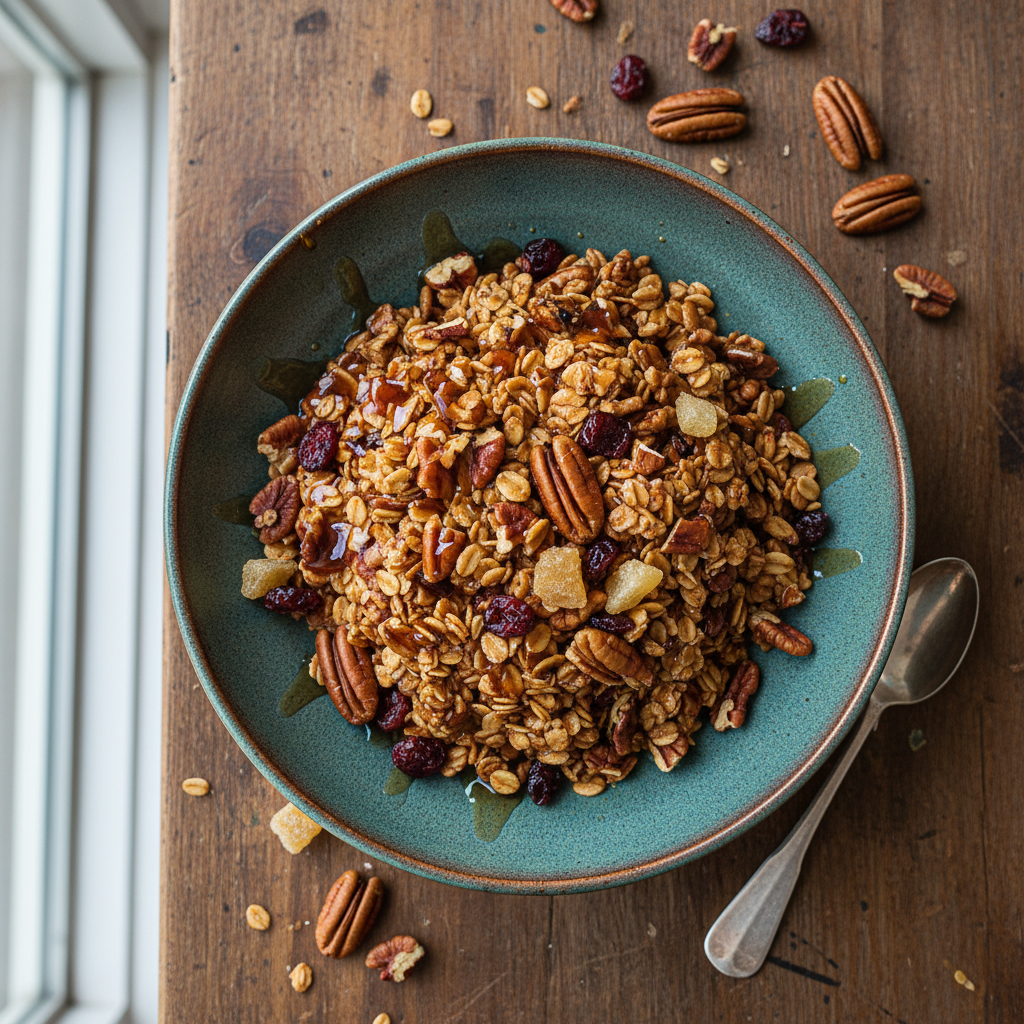
Homemade Maple Pecan Granola
-
⭐
4.9
|
75
min
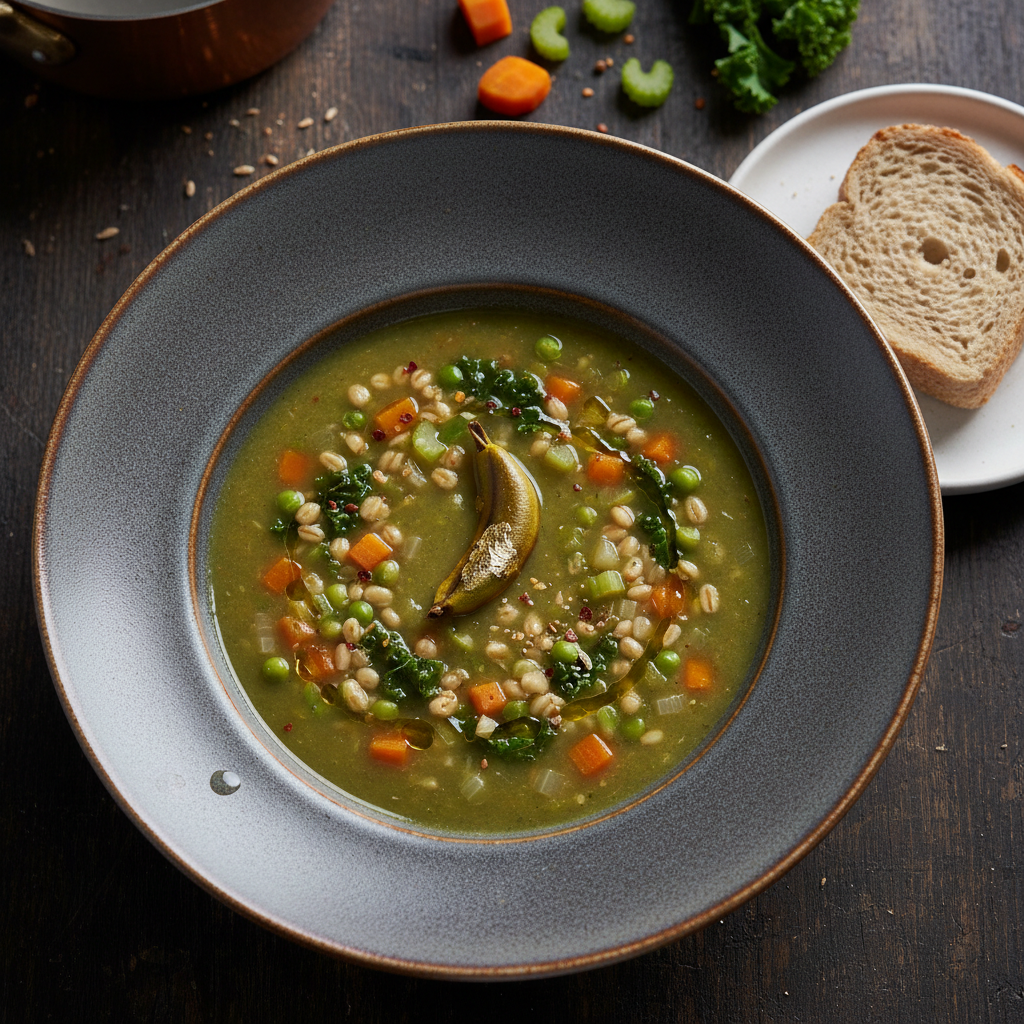
Detox Split Pea & Kale Green Soup
-
⭐
4.8
|
70
min
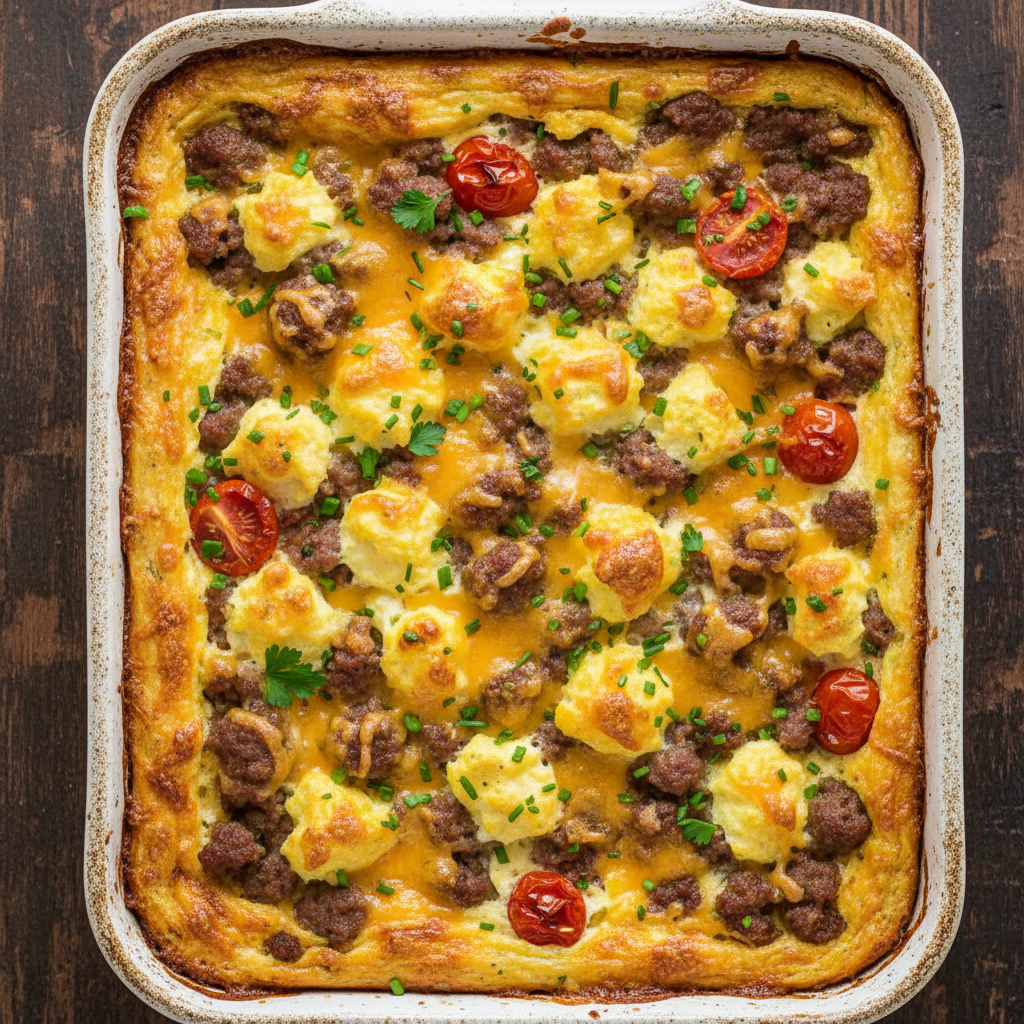
Sausage & Egg Casserole
The legal and geographic founding of American flavor began with the interaction between Native American agrarian intelligence (the Three Sisters) and European preservation methods. By the $18th$ and $19th$ centuries, the forced expertise of enslaved West Africans in the South introduced deep seasoning and rice cultivation, creating the **Lowcountry** and **Soul Food** jurisdictions. Westward expansion across the $98th$ meridian introduced the ‘Cattle Kingdom,’ establishing beef as a primary protein currency, while mid-century industrialization perfected the ‘Canned and Frozen’ era, which now coexists with the modern **Farm-to-Table** resurgence.
The United States is divided into distinct culinary provinces: the **Atlantic Maritime** (focused on cold-water bivalves), the **Deep South** (the capital of slow-smoke and frying), the **Midwest Breadbasket** (centered on dairy and grain), and the **Pacific Rim** (a high-acid, seafood-centric fusion of Asian and Hispanic influences).
The **Flavor Constitution** of America mandates a balance of smoke, sugar, and acid. **Authenticity** is found in the ‘High-Low’ synthesis: the ability to apply Michelin-level technical precision to humble ingredients like heirloom corn or brisket. Native ingredients such as Cranberries, Wild Rice, Bison, and various Chilies from the Southwest form the indigenous legal code of the palate.
**Insight from the Home Cook Mom:** ‘Authenticity isn’t about fancy labels; it is about the smell of the kitchen during a $4-hour$ braise. It is using the grease from the morning bacon to sauté the evening’s green beans—that is the heritage of thrift and flavor.’ Essential markers include **Hickory Smoke**, **Vermont Maple**, and **Fermented Chili Pastes**.
The American ‘Perfect Bite’ is an audit of **High-Contrast Textures**. It requires a triadic relationship: the **Maillard-induced Crunch** of a fried exterior, the **Tender Yield** of a slow-cooked interior, and the **Silky Emulsion** of a fat-heavy sauce (e.g., Gravy or Aioli).
**Insight from the 3-Star Michelin Chef:** ‘Engineering the perfect burger requires a calculation of the vertical stack. The bread must possess a $25%$ compression rate to allow the jaw to engage the protein without structural collapse. The temperature must hit exactly $55°C$ for the fat to reach its optimal viscosity for mouth-coating silkiness.’
American culinary language prioritizes: **Crispy** (a brittle, air-filled surface), **Succulent** (intermuscular moisture), **Fudgy** (dense, moisture-rich cocoa solids), and **Snap** (the resistance of a natural casing or fresh vegetable).
Technical precision in the American kitchen relies on **Hydration Management** (for biscuits and pie crusts) and **Thermal Gradient Control** (for smoking meats). The ‘Reverse Sear’ is the gold-standard SOP for thick-cut proteins, ensuring an edge-to-edge pink interior with a $2-millimeter$ charred crust.
American flavor logic is defined by ‘Maximum Amplitude’—a culinary philosophy that prioritizes high-contrast profiles and leverages fat as the primary aromatic carrier. Unlike the rigid mother-sauce structures of French cuisine or the subtle balance of Japanese aesthetics, American aromatics focus on ‘Melting Pot’ identities. This involves balancing deep wood smoke, heavy caramelization (Maillard reaction), and sharp acidity to create bold, approachable complexity that emphasizes regional heritage and textural contrast.
Standard Operating Procedures require the **$12-inch$ Seasoned Cast Iron Skillet** for thermal retention, the **Offset Smoker** for convective heat flow, and the **High-Speed Blender** for modern emulsification.
The following assets are categorized by technical difficulty and cultural weight: **Foundation:** Buttermilk Biscuits, Chicken Stock, Cornbread. **Masterclass:** $16-hour$ Texas Brisket, Sourdough Bread, Maryland Blue Crab Cakes. **Home Soul:** Meatloaf with Tomato Glaze, Apple Pie with Lattice Crust, Macaroni and Cheese.
Each recipe is an ‘Entry of Record’ in the American archive. The **Foundation** tier builds the necessary skills for the **Masterclass** tier, while **Home Soul** maintains the emotional connectivity of the cuisine.
American hospitality is built on the **SOP of Abundance**. The host acts as the ‘Primary Facilitator,’ ensuring that the table is never empty. Etiquette mandates that ‘Family Style’ service is the highest form of communal trust, though formal ‘Plated’ service is reserved for state-level or celebratory functions.
In American dining culture, the ‘Value of the Share’ is paramount; portions are traditionally designed for abundance, reflecting a history of frontier hospitality. A key ‘Culture Ambassador’ rule: Respect the Pitmaster. Never critique the smoke ring or sauce thickness in a local BBQ establishment, as these nuances represent a multi-generational legacy and regional pride. In fine dining, the ‘Valuable Guest’ acknowledges the source of the ingredients, as American chefs increasingly focus on farm-to-table provenance.
The standard sequence follows: **1. The Appetizer (The Social Opener), 2. The Main (The Hero Protein), 3. The Sides (The Regional Support), 4. The Dessert (The Sweet Conclusion).** During Thanksgiving, the hierarchy shifts to a simultaneous ‘Grand Spread’ where all courses except dessert are served at $T=0$.
More Recipes from this Cuisine
-
⭐
4.9
|
75
min
Detox Split Pea & Kale Green Soup
-
⭐
4.9
|
80
min
Moist Banana Bread
-
⭐
4.8
|
70
min
Sausage & Egg Casserole
-
⭐
4.5
|
27
min
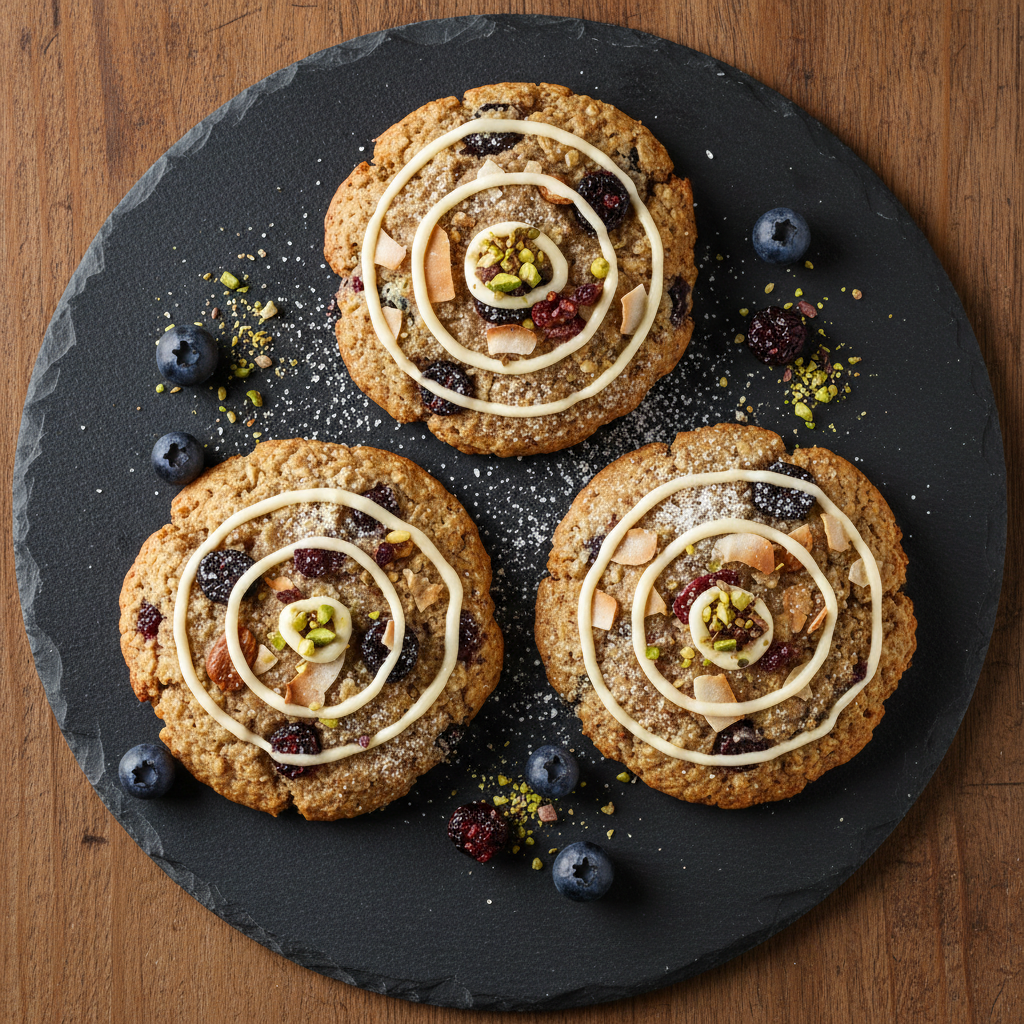
Oatmeal Breakfast Cookies
-
⭐
4.7
|
20
min
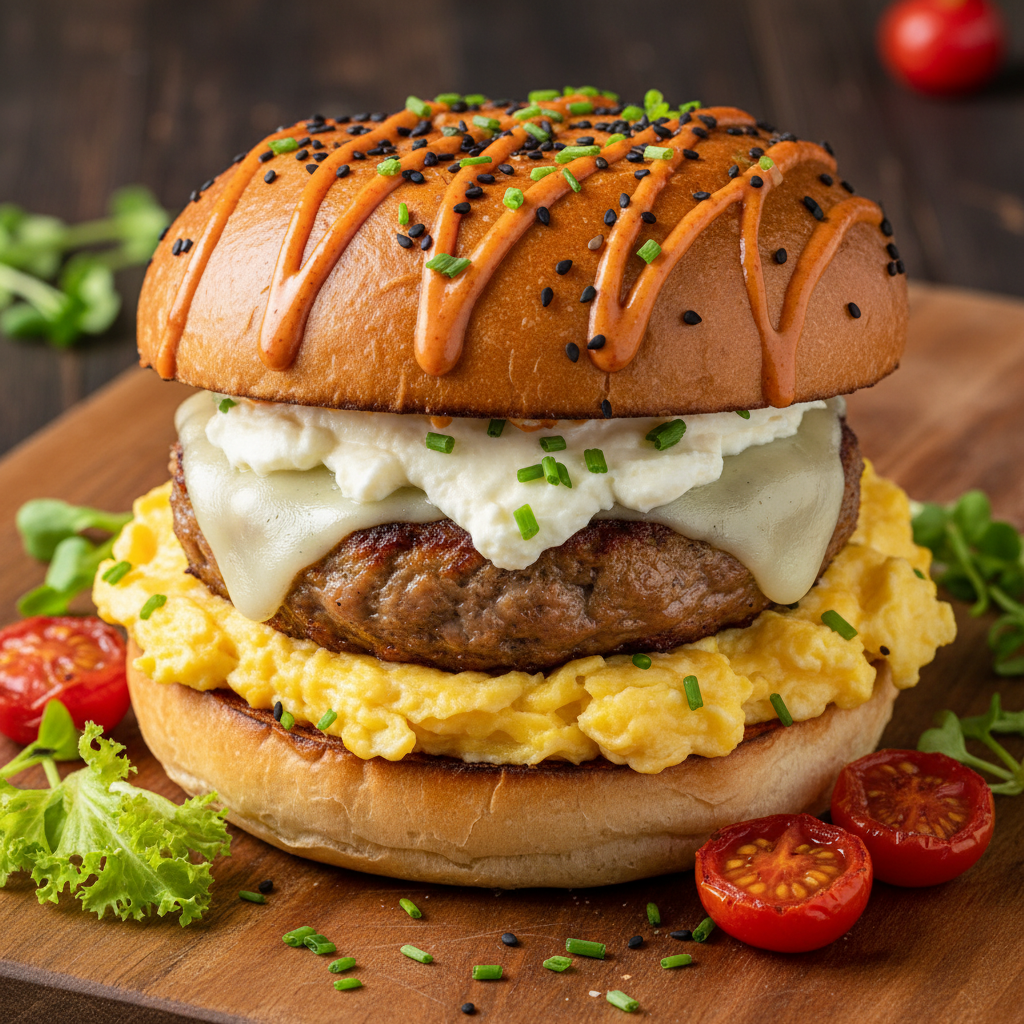
Sausage Egg & Cheese Sandwich
-
⭐
4.9
|
40
min
Homemade Maple Pecan Granola